Decorative Squid Embroidery: A Maker's Review
As an experienced embroidery designer preparing for a busy weekend craft fair, I approach every new machine embroidery design with a critical eye. It is not enough for a file to simply stitch out correctly on screen; it must translate into a tangible, sellable item that catches the attention of shoppers walking past my booth. When evaluating the Decorative Squid Embroidery file, I am looking for versatility, visual impact, and production efficiency. This review breaks down how this specific aquatic motif performs in real-world scenarios for Etsy sellers, boutique makers, and creative entrepreneurs who need reliable inventory.
First Impressions and Visual Appeal
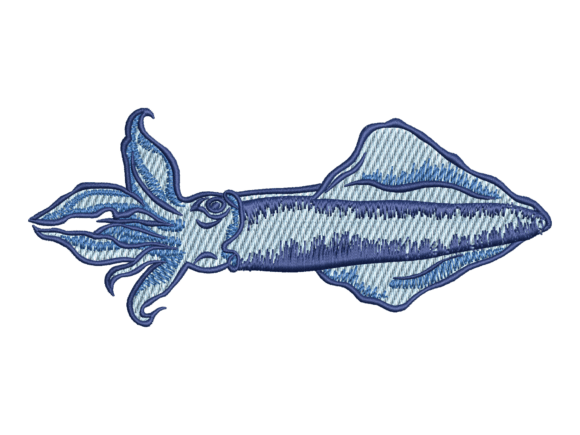
The first impression of Decorative Squid Embroidery is distinctly modern yet whimsical. Unlike traditional nautical themes that often lean heavily into rustic or vintage aesthetics, this design feels fresh and contemporary. For a handmade product lineup, this is a significant advantage. The silhouette offers a unique shape that breaks away from standard circular or square motifs, creating dynamic negative space on fabric. At a glance, it reads as bold and artistic rather than juvenile, making it suitable for adult buyers seeking unique accessories.
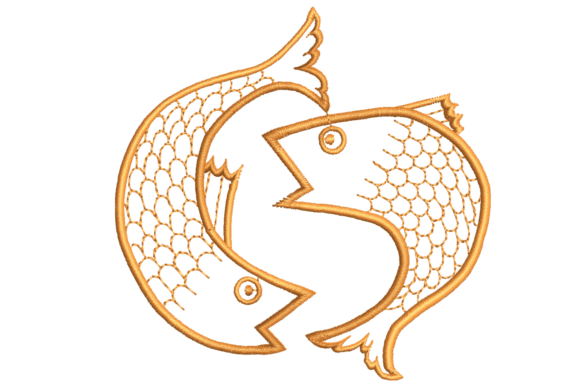
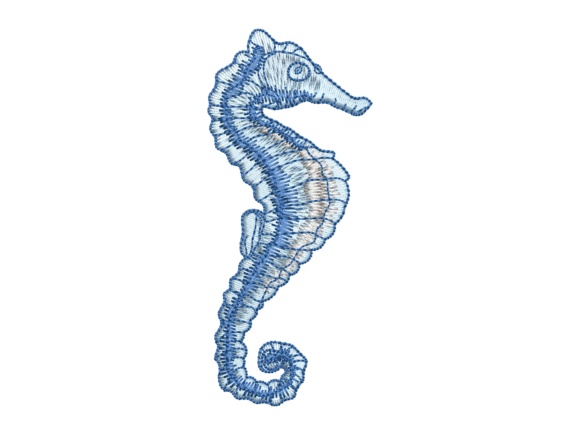
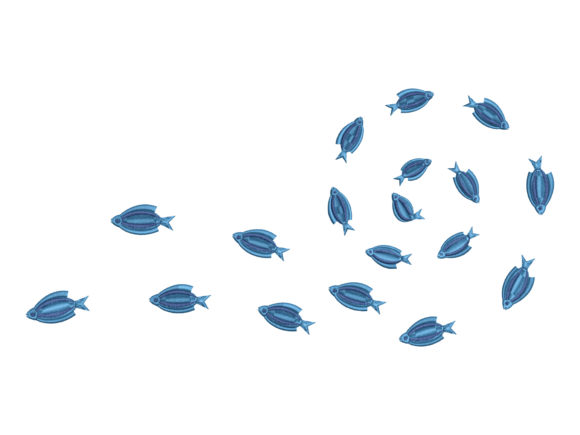
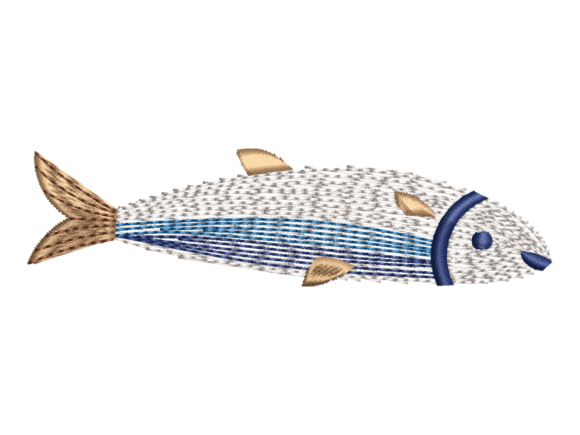
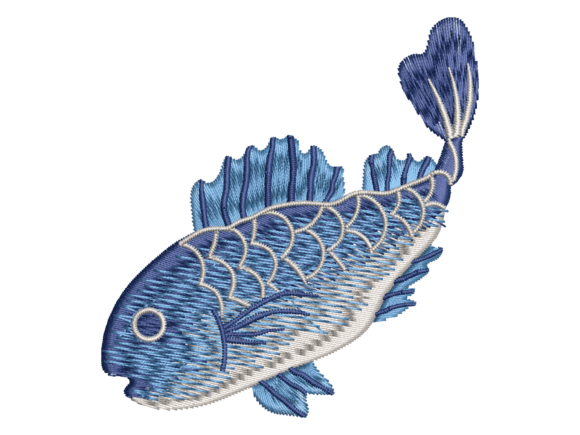
For those categorizing their shop under Fish or marine life, this design elevates the genre beyond simple cartoon characters. It possesses an elegant line quality that suggests premium craftsmanship. Whether you are aiming for a coastal cottage vibe or a trendy streetwear aesthetic, the adaptability of this squid motif allows it to bridge multiple styles. As a digital download delivered in ZIP or RAR format, the immediate access means I can test this concept quickly before committing to bulk production for a market table.
Best Applications for Craft Fair Inventory
When stocking a booth, variety is key, but cohesion sells. I have evaluated Decorative Squid Embroidery across several high-turnover categories to determine where it shines brightest.
Tote Bags and Market Shoppers
This is arguably the strongest application for this tote bag design. Canvas and linen tote bags provide a stable, flat surface that accommodates the elongated shape of a squid perfectly. The vertical orientation of many squid illustrations utilizes the height of a tote bag without overwhelming the width. For a craft fair, a natural canvas tote with a dark navy or terracotta thread rendering of this design creates an instant bestseller. It photographs beautifully for printable mockups and serves as a walking advertisement when customers carry their purchases around the venue.
Kitchen Textiles and Tea Towels
Tea towel embroidery requires careful consideration of fabric texture. Flour sack towels and waffle-weave linens are ideal here. The decorative nature of the squid makes it feel like intentional kitchen decor rather than just a novelty. However, because tea towels are functional items, I recommend placing the design in the lower third or centered vertically to avoid interference with folding and hanging. This placement ensures the embroidery file remains visible even when the towel is in use, increasing perceived value.
Wearable Accessories and Patches
For apron embroidery, the squid works exceptionally well as a chest pocket accent or a centered bib feature. Aprons are high-value items at handmade markets, and unique marine life designs differentiate your stock from generic floral or monogram options. Additionally, converting this design into an embroidered patch is a smart move for maximizing profit margins. Patches allow customers to customize their own denim jackets or caps, and the distinct outline of a squid translates well to merrowed edges or satin stitch borders.
Production Practicality and Booth Display
A design might look beautiful, but if it takes three hours to stitch or causes frequent thread breaks, it is not viable for batch production. Decorative Squid Embroidery appears optimized for efficiency, but verification is necessary. When preparing for a show, I assess the stitch density to ensure run times align with my pricing model. A design that stitches out in under 15 minutes allows for higher volume sales, whereas denser, larger pieces should be priced as premium art items.
From a display perspective, this motif creates excellent sightlines. The organic curves draw the eye across a table display, connecting different products visually. Grouping embroidered pouches, pillow covers, and caps featuring the same squid design establishes brand consistency. For online sellers, this repeatability is equally important. Using the same digital embroidery file across multiple blank products streamlines photography sessions and creates a cohesive collection page on Etsy or Shopify.
Critical Technical Considerations for Makers
While the aesthetic potential is high, technical execution determines customer satisfaction. As a professional, I must highlight specific areas requiring caution when using this embroidery file.
- Fabric Texture Compatibility: Squid designs often feature fine tentacle details. On highly textured terry cloth or chunky knits, these delicate lines may get lost or cause puckering. Always use appropriate stabilizer, such as cutaway for stretchy fabrics or tear-away for stable woven linens.
- Size Reduction Risks: Be wary of resizing this design too small. Intricate internal detailing or facial expressions common in decorative marine art can become muddy below a certain threshold. Check the minimum size recommendations in your software before stitching onto small items like baby onesies or cap fronts.
- Thread Contrast: Test thread colors against your chosen blanks. A light grey squid on white canvas will disappear in photos and in person. High contrast is essential for craft fair visibility. Dark threads on light backgrounds (or vice versa) ensure the design pops from a distance.
- Hoop Size Verification: Before purchasing or stitching, confirm the dimensions fit your available hoops. While files come in standard formats, ensuring the design fits your specific machine’s maximum embroidery area prevents wasted time. Remember, this is a digital product with no returns, so checking specs upfront is vital.
Designer Notes for Commercial Success
To maximize the return on investment for Decorative Squid Embroidery, treat the testing phase as part of your product development. Never stitch a final product without first running a test on scrap fabric identical to your selling blank. Inspect the registration of overlapping stitches and ensure there are no jump stitches that could snag during washing. This quality control step protects your reputation as a maker of premium commercial embroidery goods.
Furthermore, always verify licensing terms included in your download. While instant access facilitates quick turnaround, confirming you have the right to sell finished physical products is non-negotiable for ethical business practices. Create at least one real-life sample before listing online; customers trust photos of actual stitched items over digital renders. Finally, consider the seasonality. While squid are year-round creatures, marketing this small shop product during summer beach seasons or coastal festivals can significantly boost engagement.
Ultimately, Decorative Squid Embroidery represents a strong opportunity for makers looking to expand their aquatic or nature-themed collections. Its balance of artistic flair and commercial viability makes it a worthy addition to any serious embroiderer’s library. By respecting the technical requirements and leveraging its unique visual character, you can transform this digital asset into a standout seller at your next market.