Blue School Fish Embroidery: A Craft Fair Review
As an experienced embroidery designer preparing for a weekend craft fair, I evaluate every digital file not just as art, but as inventory. When reviewing the Blue School Fish Embroidery design, my immediate focus is on its commercial viability for handmade market products. This isn't merely about whether the fish looks cute on a screen; it is about whether this specific machine embroidery design will stop customers at a booth and convert them into buyers. The title suggests a whimsical, perhaps vintage or storybook aesthetic that leans heavily into coastal farmhouse and nursery themes. For Etsy sellers and boutique makers, this vibe is currently trending, bridging the gap between nostalgic charm and modern handmade quality.
First Impressions and Booth Appeal
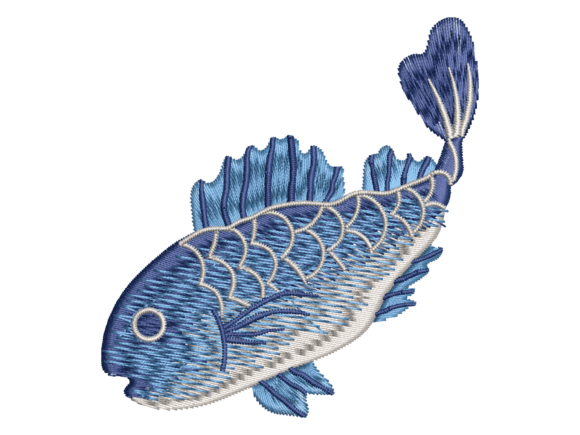
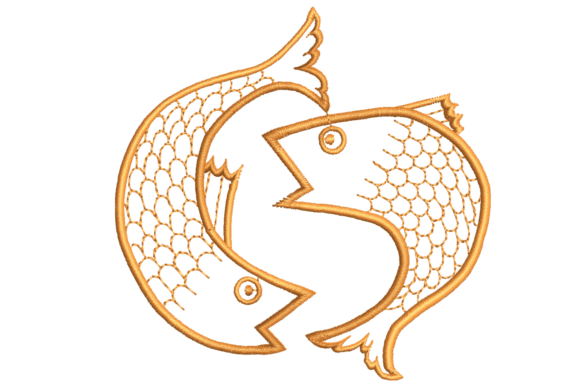
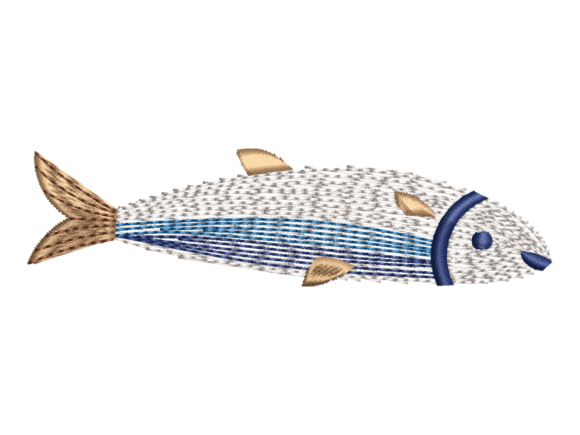
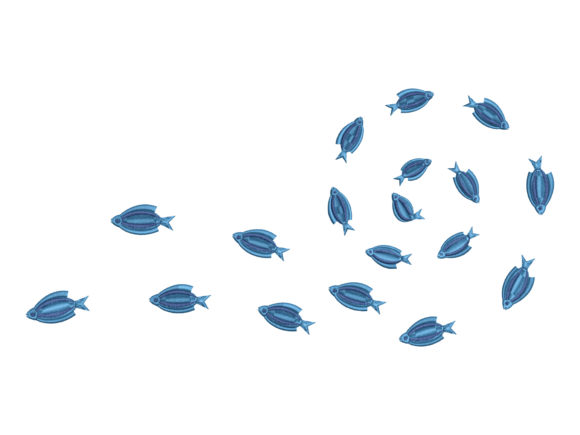
Upon opening the digital embroidery file, the "Blue School" concept implies a grouping rather than a solitary subject. In a craft fair setting, grouped motifs often outperform single icons because they create visual texture and movement. My first impression is that this design feels soft yet deliberate. It avoids the overly cartoonish look that can cheapen a finished product, instead aiming for a premium, illustrative style. This distinction is vital for creative entrepreneurs who need their work to stand out against mass-produced alternatives. The color palette implied by the title allows for versatile thread choices, making it adaptable for various seasons and shop aesthetics. Whether you are stocking a summer market table or a year-round gift shop, this design carries a timeless appeal that resonates with shoppers looking for authentic, high-quality handmade goods.
Best Product Applications for Market Sales
Determining where to place the Blue School Fish Embroidery is half the battle. Based on the motif's likely scale and detail, here is how I would deploy it across different product categories for maximum return:
- Tote Bag Design: This is your primary anchor item. Canvas totes provide a stable base for detailed stitching. A school of fish swimming across the lower third of a natural canvas bag creates an elegant, balanced composition that photographs beautifully for printable mockups and Instagram.
- Tea Towel Embroidery: Linen or flour sack towels are craft fair staples. This design works exceptionally well here because the "school" aspect fills horizontal space without requiring excessive stitch density. It transforms a utilitarian kitchen item into a decorative piece.
- Apron Embroidery: Position the fish near the hem or pocket area. This placement keeps the design visible when worn and adds a custom, bespoke feel that justifies a higher price point than generic aprons.
- Embroidered Patches: If the design has clean outlines, consider producing standalone patches. These are low-cost add-ons at markets and allow customers to customize their own denim jackets or bags later.
- Fabric Pouches and Zipper Bags: Small zippered pouches featuring this fish motif serve as perfect impulse buys. They utilize smaller hoop sizes and make excellent use of fabric scraps from larger projects.
Production Practicality and Batch Efficiency
For small shop product lines, efficiency is key. You cannot spend three hours hooping and re-hooping for a single sale. The Blue School Fish Embroidery appears conducive to batch production. Because schools of fish often share similar colorways, you can minimize thread changes during long production runs. This consistency helps maintain brand cohesion across your entire booth display. Furthermore, designs with organic shapes like fish are generally more forgiving regarding registration issues compared to rigid geometric patterns. This makes the embroidery file a reliable choice for both seasoned commercial embroidery businesses and newer makers still dialing in their tension.
From a photography standpoint, this design offers excellent storytelling potential. Unlike abstract patterns, a recognizable subject like a school of fish gives customers an immediate emotional connection. When creating listings, ensure your photos show the texture of the stitches. Digital files don't sell themselves online; the representation of the finished product does. Use natural lighting to highlight the sheen of the thread colors against matte fabrics, emphasizing the handmade quality that digital prints cannot replicate.
Critical Technical Considerations
While the aesthetic is strong, practical execution requires caution. As with any new design assets, you must verify technical specifications before committing to bulk production. Since this is a digital product delivered in ZIP or RAR format with no physical sample included, due diligence is mandatory.
- Check Stitch Density: Before stitching on expensive linen or canvas, test the design on scrap fabric. Schools of fish can sometimes have overlapping elements. Ensure the stitch density isn't so high that it causes puckering or needle breaks, especially on lighter weight tea towels.
- Evaluate Fabric Texture: Textured towels and waffle-weave fabrics can swallow fine details. If the fish have delicate fins or small eyes, you may need to use a water-soluble topping to keep the stitches crisp and visible.
- Hoop Size Verification: Confirm the dimensions within the embroidery file match your machine’s capabilities. Never assume a design fits your 4x4 or 5x7 hoop without checking the actual digitized area. Resizing can distort stitch angles and ruin the flow of the fish.
- Stabilizer Selection: Match your stabilizer to the end-use. For tote bags, a cutaway provides lasting support. For tea towels, a tear-away might suffice, but always test washability first to ensure the design doesn't distort after laundering.
- Thread Contrast Testing: Blue thread on blue fabric can disappear. Test high-contrast combinations to ensure the design reads clearly from a distance at a busy market booth.
Maximizing Value and Customer Engagement
The true value of the Blue School Fish Embroidery lies in its versatility. It serves as a bridge between different customer demographics. Parents love it for nursery decor, while adults appreciate it for coastal home styling. By offering this design across multiple substrates—pillow covers for the home, caps for wearables, and pouches for gifts—you capture a wider audience. However, remember that this is a digital download with no returns or refunds. This policy underscores the importance of your own testing. Your reputation as a maker depends on the flawless execution of these files.
When displaying these items at a craft fair, group them by color story rather than product type. Place the embroidered tea towels next to the matching tote bags to encourage bundled sales. Use signage that highlights the "handmade" and "original design" aspects to differentiate from factory-made imports. For Etsy sellers, include keywords like "coastal embroidery," "fish nursery decor," and "handmade market bag" in your listings to align with search intent.
Final Designer Notes for Success
Before listing any finished product derived from this embroidery file, confirm the licensing terms included in the download. Commercial embroidery rights vary, and protecting your business means respecting intellectual property. Create at least one real-world mockup before launching. Compare how the design looks on white versus navy fabric, as the mood shifts dramatically between the two. Finally, inspect the spacing between individual fish. Adequate negative space is what elevates a design from cluttered to curated.
In summary, the Blue School Fish Embroidery holds significant promise for craft fair vendors and digital sellers alike. Its thematic strength, combined with practical application across high-margin products like totes and linens, makes it a worthy addition to your design library. Approach it with professional scrutiny, test thoroughly, and let the quality of your finished handmade products speak for themselves. With careful production and strategic merchandising, this design can become a staple bestseller in your seasonal lineup.