Intertwined Fish Embroidery Design Review
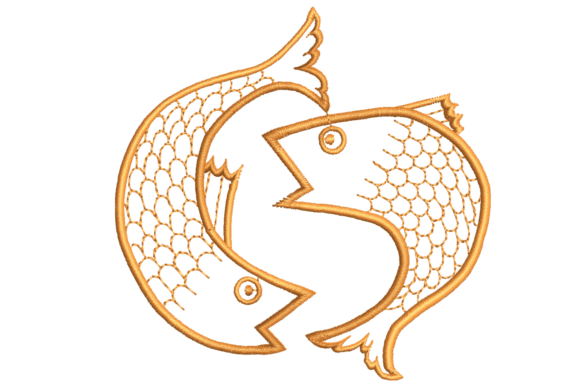
As an embroidery designer preparing for a limited seasonal drop, selecting the right artwork is about more than just aesthetics; it is about technical viability and brand alignment. When evaluating the Intertwined Fish Embroidery Design for a premium boutique sweatshirt collection, my primary focus is how the digital file translates to physical fabric. This machine embroidery design features two intertwined fish arranged in a graceful, balanced composition, suggesting a level of sophistication that separates commercial apparel from fast fashion. For small clothing brands and Etsy sellers, this distinction is vital. The flowing lines and harmonious movement give the design a symbolic and elegant look, making it a strong candidate for cozy, high-value garments where the embroidery must feel intentional rather than decorative afterthought.
Aesthetic Evaluation for Boutique Apparel
The first impression of this design is one of fluidity. In the context of custom apparel, specifically oversized hoodies and neutral sweatshirts, rigid or overly dense designs can sometimes look stiff or industrial. However, the Intertwined Fish Embroidery Design appears to prioritize organic movement. This is essential when targeting customers looking for feminine, rustic, or minimal aesthetics. The intertwined nature of the fish creates a natural focal point that works exceptionally well for center-chest placement on crewnecks or as a subtle left-chest motif on heavyweight hoodies.
For a handmade product line, the mood of the embroidery dictates the perceived value. This design avoids the cartoonish quality often associated with fish motifs, leaning instead into an artistic interpretation that appeals to adult demographics. Whether stitched on oatmeal-colored French terry or a deep navy fleece, the balanced composition ensures the artwork feels grounded. For Etsy sellers and creative entrepreneurs, this versatility means the same digital embroidery file can serve multiple product listings, from pastel spring collections to darker, moody winter apparel, simply by adjusting thread colors.
Technical Considerations for Sweatshirt Embroidery
While the visual appeal is evident, a professional review must address production realities. Sweatshirt embroidery presents unique challenges due to fabric texture and stretch. Before running this design commercially, I would verify specific technical parameters to ensure the finished product meets boutique standards.
- Stitch Density and Fabric Texture: Fleece and terry cloth are textured fabrics that can swallow fine details. I need to confirm that the stitch density in this embroidery file is optimized for these materials. If the lines defining the fish are too thin or sparse, they may get lost in the nap of the fabric. Conversely, if the density is too high, the sweatshirt may become bulletproof and uncomfortable. A balanced density is non-negotiable for wearable art.
- Stabilizer Selection: To maintain the graceful shape of the intertwined fish without puckering, proper stabilization is critical. For commercial embroidery on knit fabrics, I recommend using a medium-weight cut-away stabilizer rather than tear-away. This provides permanent support for the design’s flowing lines, ensuring the garment retains its drape after washing. Hoop size selection also matters; using the smallest appropriate hoop reduces fabric distortion during the stitching process.
- Thread Color Contrast: The elegance of this design relies on visibility. On neutral sweatshirts, tonal threads (like cream on beige) create a luxurious, subtle effect, but require perfect tension. For higher contrast, metallic or variegated threads could highlight the "intertwined" aspect, adding dimension. However, always test thread colors on a scrap of the actual garment fabric before full production to ensure the design remains readable and doesn't vibrate visually against the background.
Verifying File Specifications Before Production
It is important to note that while the description highlights the artistic composition, specific production data such as exact stitch count, available formats, and recommended hoop size must be verified within the digital assets provided. As a designer, I never assume a file is production-ready without checking these metrics. Ensuring the embroidery file matches your machine’s capabilities and the garment’s printable area is the first step in avoiding costly mistakes. Always request or download a test sew-out file if you are integrating this into a new supplier workflow.
Commercial Viability and Brand Identity
For small shop products and independent labels, every design choice contributes to brand identity. The Intertwined Fish Embroidery Design offers significant commercial potential because of its symbolic weight. Fish often represent abundance, flow, and harmony—themes that resonate deeply in the wellness, cottagecore, and sustainable fashion niches. By utilizing this design, a boutique brand isn't just selling a sweatshirt; they are selling a feeling of balance and connection.
This emotional resonance directly impacts buyer trust and customer engagement. When shoppers see a well-executed, thoughtful design on a printable mockup or lifestyle photo, they perceive the item as higher quality. The "graceful, balanced composition" mentioned in the product details suggests that the digitizer understood the importance of negative space and flow, which translates to a professional finished product. For digital sellers offering this as part of a bundle or standalone file, marketing should emphasize its suitability for premium substrates rather than basic craft projects.
Placement Strategy for Maximum Impact
How you place this design determines its market positioning. Based on the described harmonious movement, here are strategic placement recommendations for apparel decorators:
- Center Chest on Oversized Hoodies: Capitalizes on the balanced composition, making the design the hero element. This works best with solid, muted fabric colors to let the embroidery breathe.
- Sleeve Accents: If the design includes separable elements or scales down well, placing a single fish or a smaller version of the intertwined pair on a wrist cuff adds a high-end detail that encourages close-up inspection and social media sharing.
- Back Yoke Placement: For a more modern, streetwear-adjacent boutique brand, placing the design across the upper back yoke creates a unique silhouette that differentiates the sweatshirt from standard front-print merchandise.
Elevating the Handmade Presentation
Ultimately, the success of the Intertwined Fish Embroidery Design lies in execution. For creative entrepreneurs, this design serves as a testament to the capability of machine embroidery to produce artisanal-quality goods. The key to maximizing product value is treating the embroidery not as a sticker applied to fabric, but as an integral part of the garment's construction.
When photographing the finished product for Etsy listings or website catalogs, ensure lighting captures the sheen of the thread and the texture of the stitches. Flat lays often fail to show the dimensionality of intertwined lines; instead, use lifestyle photography that shows the sweatshirt in motion or draped naturally. This reinforces the "flowing lines" and "harmonious movement" promised by the design. By focusing on these presentation details and adhering to strict technical standards regarding stabilizer and density, small businesses can confidently offer this design as a staple in their premium apparel collections. The result is a product that feels curated, durable, and distinctly handmade, fostering long-term loyalty among discerning customers.