Blue Tropical Fish Embroidery: A Designer’s Review
As an embroidery designer who regularly evaluates digital assets for both personal creative projects and commercial client work, I approach every new machine embroidery design with a critical eye. It is not enough for a graphic to look appealing on a screen; it must translate effectively into thread, maintain structural integrity on fabric, and ultimately add value to the finished product. After reviewing the Blue Tropical Fish Embroidery file, I see significant potential for makers and small business owners, provided it is applied with intention and technical awareness.
First Impressions and Visual Personality
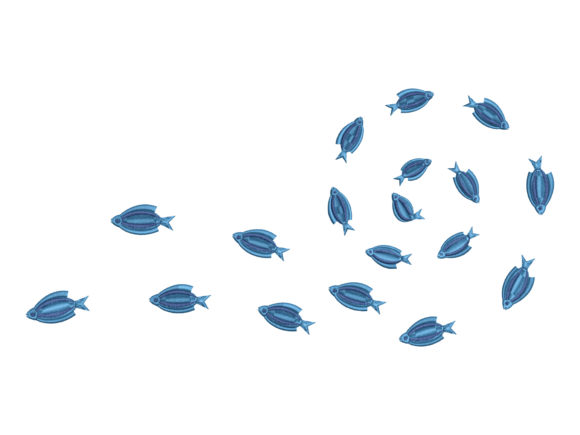
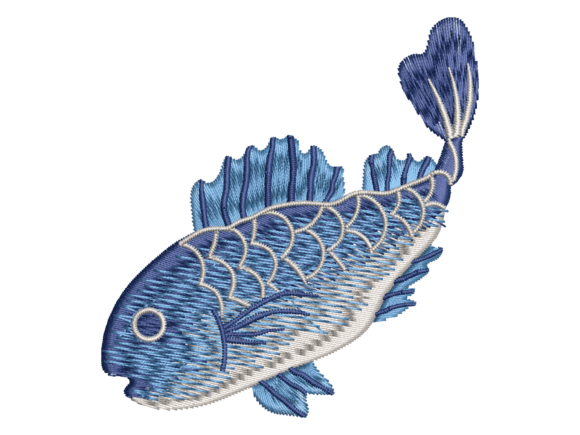
The immediate mood of this Blue Tropical Fish Embroidery is vibrant yet calming. Unlike generic clip art that often feels flat when digitized, this design appears to have been considered with stitch direction in mind. The silhouette suggests a balance between organic curves and defined edges, which is crucial for maintaining clarity at various sizes. For an Etsy seller or boutique owner, this aesthetic bridges the gap between nursery decor and adult apparel, making it a versatile asset for shops that cater to multiple demographics.
Visually, the design relies on color blocking and shape definition rather than excessive detail. This is a positive indicator for production efficiency. Overly complex shading can lead to high stitch density, causing puckering on lighter fabrics or stiffness on garments. This tropical fish motif seems optimized for clean execution, allowing the natural sheen of rayon or polyester threads to provide the depth rather than relying solely on dense fill areas.
Real-World Application: Stitching a Custom Tote Bag
To truly evaluate this embroidery file, I mentally placed it in a real-life production scenario: creating a premium canvas tote bag for a summer market collection. Tote bags are a staple handmade product, but they present specific challenges due to the coarse weave of canvas and the need for durability.
In this context, the Blue Tropical Fish Embroidery serves as an excellent focal point. Because the design likely utilizes a mix of satin stitch borders and fill stitch interiors, it would pop against unbleached canvas without requiring excessive stabilization layers that make the bag rigid. I envision placing the fish slightly off-center or near the bottom hem for a modern, editorial look rather than the traditional dead-center placement. This layout choice elevates the perceived value of the item, signaling to customers that this is a curated small shop product rather than a mass-produced print.
For commercial embroidery purposes, this design also translates well to sweatshirts and baby onesies. However, the application changes based on the substrate. On a fleece sweatshirt, the texture of the fabric will absorb some stitch definition, so using a topping stabilizer is non-negotiable to keep the tropical fish crisp. Conversely, on a lightweight baby cotton tee, the concern shifts to preventing hole-out or distortion. The design’s apparent moderate density makes it safer for delicate baby embroidery projects compared to heavier, more saturated motifs.
Navigating Fabric Limitations and Hoop Constraints
While the Blue Tropical Fish Embroidery is versatile, professional judgment requires knowing where not to use it. Makers must be cautious when applying this design to highly textured fabrics like terry cloth or boucle unless they plan to use a heavy water-soluble topping. Without it, the fine details of fins or tails may get lost in the pile, diminishing the visual impact.
Stretchy performance fabrics also demand careful handling. If you are producing activewear or swim cover-ups, the stabilizer choice becomes the most critical variable. A cut-away stabilizer is essential here to prevent the fish from distorting after washing. I would also advise against resizing this design below its intended minimum dimensions. Reducing embroidery project files too drastically can cause satin stitches to become too narrow, leading to thread breaks or fraying over time. Always check the original specifications included in your ZIP or RAR download before attempting significant scaling.
Dark fabrics present another consideration. Depending on how the digitizer handled underlay, switching from a light background to black navy might require adding a white underlay layer manually in your software to prevent the dark fabric from showing through lighter blue threads. Testing on scrap fabric is the only way to confirm opacity before committing to a final personalized gift or retail item.
Enhancing Product Value and Customer Trust
For creative entrepreneurs, the quality of your design assets directly correlates to customer trust. When a buyer sees clean registration, smooth curves, and appropriate density in your listing photos, they perceive professionalism. The Blue Tropical Fish Embroidery has the characteristics of a design that photographs well for printable mockups and social media marketing because of its distinct shape and color contrast.
This visual clarity aids in conversion. Whether you are selling custom apparel at a craft fair or listing holiday embroidery items online, the finished stitch-out needs to match the digital preview. A design that stitches out cleanly reduces returns and negative reviews. Furthermore, because this is a digital product delivered instantly via ZIP or RAR format, your presentation of the final stitched sample acts as the primary proof of quality. Investing time to stitch a perfect sample on a relevant background (like a linen pillow cover or denim apron) validates the file for future buyers if you choose to resell or share modified versions within your license terms.
Practical Notes for Makers and Sellers
Before integrating this file into your production lineup, adhere to these professional best practices:
- Verify Licensing: Since no returns or refunds are offered on this digital product, confirm immediately upon download whether your purchase includes commercial rights for selling finished goods. Do not assume usage rights.
- Test Stitch Density: Run a test on the exact fabric you intend to sell. Check the back of the embroidery; excessive bobbin thread showing on top indicates tension issues or density problems specific to your machine and material combination.
- Thread Color Matching: "Blue" is subjective. Compare your physical thread inventory against the color chart provided in the file. Variegated or multi-tone blues can enhance the tropical feel, while solid colors offer a cleaner, more graphic look.
- Hoop Size Confirmation: Ensure the design fits comfortably within your hoop with adequate margin for the presser foot. Crowding the hoop edges can cause registration errors that ruin the garment.
- Mockup Accuracy: When creating listings, use realistic textures in your mockups. Showing the Blue Tropical Fish Embroidery on a flat vector does not set accurate expectations for how it interacts with fabric grain and texture.
Final Thoughts on Design Utility
The Blue Tropical Fish Embroidery represents a strong candidate for makers seeking a balance of whimsy and wearability. Its success in your shop depends less on the file itself and more on your technical execution and material selection. By respecting the relationship between thread colors, fabric texture, and stabilizer choices, you transform a simple digital download into a tangible, high-value asset. Whether used for a bespoke embroidered patch, a nursery wall hanging, or a signature tote bag line, this design offers the flexibility needed for serious embroidery businesses and dedicated hobbyists alike. Always remember that instant access means instant responsibility to test, verify, and create with precision.