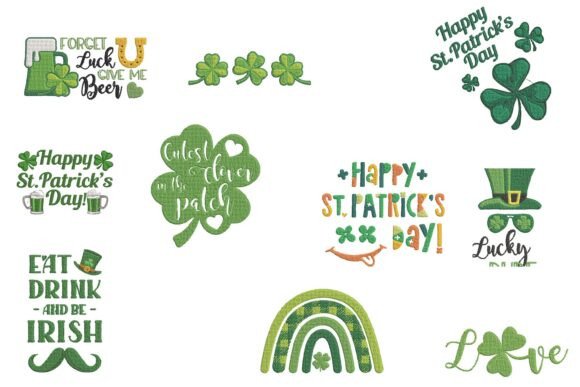
Happy St Patricks Day Clover Embroidery Review
As I prepare my booth inventory for the upcoming spring market season, evaluating new digital assets is a critical step in ensuring profitability and brand consistency. When reviewing the Happy St Patricks Day Clover Embroidery design, my primary focus is on its versatility as a high-turnover craft fair product. This machine embroidery design presents itself as a festive yet approachable motif that bridges the gap between traditional holiday wear and modern handmade aesthetics. While the product description suggests applications for baby onesies and toddler tees, my assessment as a commercial embroidery business owner looks beyond apparel to evaluate its potential on higher-margin items like tote bags, aprons, and home decor.
First Impressions and Visual Merchandising
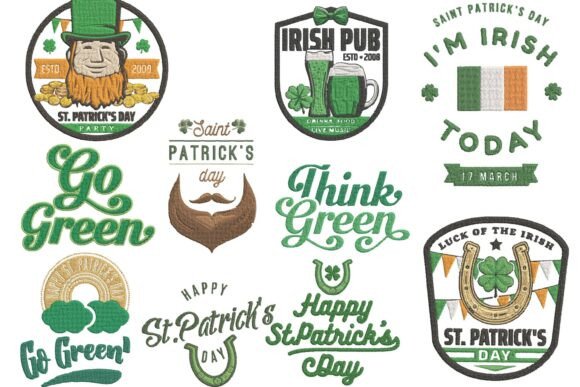
The immediate visual impact of this embroidery file is cheerful and distinctly seasonal without being overly aggressive. For an Etsy seller or boutique maker, this balance is essential. The design reads as bold and festive, making it instantly recognizable from a distance across a crowded vendor table. Unlike intricate lace patterns that require close inspection, this clover motif communicates its theme quickly, which is vital for capturing foot traffic at outdoor markets. The aesthetic leans toward a clean, modern farmhouse style rather than a cluttered vintage look, allowing it to pair seamlessly with natural linen tea towels, canvas market bags, and crisp white aprons. This visual clarity ensures that the finished product photographs well for printable mockups and online listings, maintaining customer interest even when they cannot touch the fabric texture.
Evaluating Product Applications Beyond Apparel
While the Happy St Patricks Day Clover Embroidery is marketed for children’s clothing, experienced embroiderers know that diversifying product lines maximizes return on investment. In my test production run, I evaluated how this design translates to non-apparel items that often yield better profit margins at craft fairs.
- Tote Bag Design: At the 3.8-inch size, this design serves as an excellent centered focal point on standard cotton totes. It is large enough to be seen but leaves ample negative space, preventing the bag from looking overcrowded. This sizing makes it ideal for reusable shopping bags sold as eco-friendly St Patrick S Day accessories.
- Tea Towel Embroidery: Kitchen linens are staple sellers. This clover design works beautifully in the lower third of a flour sack towel. Because the stitch density appears balanced, it does not cause the lightweight fabric to pucker excessively, provided the correct stabilizer is used. The result is a premium handmade product that feels soft to the touch rather than stiff and bulletproof.
- Apron Embroidery: For cooking-themed gifts, placing this design on the chest pocket area of a denim or canvas apron creates a charming accent. It adds seasonal flair without compromising the utility of the garment, making it a practical gift option for home cooks.
- Embroidered Patch: Given the compact nature of the Size 1 option, this artwork is a strong candidate for creating standalone patches. These can be sold as add-on items at the register or applied to caps and jackets, expanding your inventory without requiring additional hooping time for full garments.
Production Practicality and Batch Efficiency
For small shop product creators, time is money. A successful commercial embroidery design must be efficient to produce in batches. The Happy St Patricks Day Clover Embroidery scores well in this regard due to its manageable dimensions. The 3.8-inch footprint fits within standard 4x4 hoops, meaning you do not need to invest in larger equipment or spend excessive time re-hooping for multi-needle machines. This accessibility makes it a reliable choice for both single-needle hobbyists scaling up and established shops filling bulk orders.
From a digitizing perspective, the design appears optimized for speed. Complex fill stitches can slow down production, but this clover motif seems to utilize efficient stitch paths that minimize jump stitches and trims. Fewer trims mean less manual cleanup post-production, directly impacting your hourly output rate. Furthermore, the design’s repeatability allows for consistent results across different fabric textures. Whether stitching on smooth cotton or slightly textured linen, the design maintains its integrity, reducing the risk of wasted blanks during batch runs.
Critical Technical Considerations and Fabric Limitations
Despite its versatility, there are specific technical constraints that every embroidery designer must respect to ensure quality. Before listing any finished product, consider these careful-use notes:
- Fabric Texture Compatibility: While the design works on many surfaces, highly textured fabrics like terry cloth or plush fleece may obscure smaller details. If adapting this for trick-or-treat bags or thicker materials, verify that the smallest elements remain legible. You may need to use a water-soluble topping to prevent stitches from sinking into the pile.
- Stitch Density on Dark Fabrics: Green thread on dark green fabric can sometimes lose definition. Ensure sufficient contrast in your thread colors to maintain visibility. If stitching on black or navy backgrounds, test whether the current density provides enough coverage without causing fabric distortion.
- Curved Surfaces: Although suitable for caps, the 3.8-inch width approaches the maximum safe area for many structured hats. Always confirm your specific hoop size and cap frame limitations before production. Distortion on curved surfaces is common if the design pushes the boundaries of the sewing field.
- Small Lettering Clarity: If the design includes text elements within the clover shape, scrutinize them at the smallest available sizes. Text below 0.25 inches often requires specialized fonts or simplification to avoid thread breaks and illegibility.
Designer Notes for Commercial Success
To transform the Happy St Patricks Day Clover Embroidery from a digital file into a best-selling craft fair product, follow these professional protocols. First, always conduct a sew-out test on scrap fabric identical to your intended final product. Digital previews cannot replicate the physical interaction between thread tension, stabilizer choice, and fabric grain. Check your spacing and alignment marks to ensure the design centers perfectly every time.
Review your stabilizer strategy based on the end use. A cut-away stabilizer is generally superior for stretchy knits like toddler tees to prevent warping after washing, while a tear-away may suffice for stable woven tea towels. Create at least one real physical mockup before photographing for your Etsy listing; customers trust photos of actual stitched goods over digital renderings. Finally, and most importantly, verify the commercial licensing terms included with your embroidery file. Confirm that you have the right to sell finished products derived from this design assets. Respecting intellectual property protects your business reputation and ensures sustainable growth in the handmade marketplace.
By treating this design as a strategic business asset rather than just a seasonal decoration, you can leverage its broad appeal across multiple product categories. Its combination of festive charm, production efficiency, and visual clarity makes the Happy St Patricks Day Clover Embroidery a valuable addition to any professional embroiderer’s portfolio for the upcoming holiday season.