Valentine Pink Hearts Border: A Designer's Review
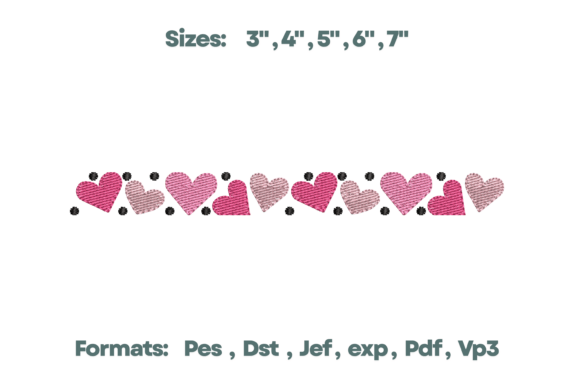
As I prepare my inventory for the upcoming weekend craft fair, my primary goal is to curate a booth that feels cohesive, professional, and irresistibly touchable. When evaluating new assets for my production line, I look for versatility above all else. The Valentine Pink Hearts Border Embroidery immediately caught my attention as a potential workhorse design for this season. Add a professional and sweet finishing touch to your projects with our Valentine Heart Border Embroidery Design; this delicate pattern uses a beautiful gradient of pink shades to create a rhythmic, repetitive aesthetic that promises to elevate simple blanks into premium handmade products.
First Impressions: Soft Elegance Over Loud Festivity
My initial assessment of this machine embroidery design is that it leans heavily toward "soft elegance" rather than chaotic holiday novelty. Many Valentine’s Day designs rely on aggressive reds and cartoonish motifs that have a short shelf life. In contrast, the gradient pinks in this border offer a sophisticated, blush-toned palette that appeals to the modern farmhouse and boutique aesthetic. It feels decorative and premium, making it suitable not just for February 14th, but for early spring collections as well. For an Etsy seller or small shop product creator, this subtlety is key. Customers are more likely to purchase a tea towel or tote bag that feels like a timeless home accessory rather than a disposable holiday prop. The rhythmic repetition suggests a clean digitizing style, which usually translates to better registration and a smoother finish on finished goods.
Best Applications for Craft Fair Inventory
When planning a booth display, I need items that showcase the design's strengths while maximizing profit margins. Here is how I evaluate the Valentine Pink Hearts Border Embroidery across different product categories:
- Tea Towel Embroidery: This is arguably the strongest application. Flour sack towels or waffle-weave fabrics provide a stable base for border designs. The horizontal orientation of a border naturally frames the bottom hem of a towel, creating a balanced, high-end look that photographs beautifully for printable mockups and online listings.
- Tote Bag Design: Canvas market bags benefit immensely from border placement along the top rim or bottom edge. Unlike centered chest logos, a border adds value without overwhelming the utility of the bag. It signals "handmade quality" instantly to shoppers browsing from a distance.
- Apron Embroidery: Placing this design along the bottom hem or across the bib strap transforms a standard utility apron into a giftable item. The gradient pinks pair exceptionally well with white, cream, or denim aprons, increasing the perceived value for bridal showers or Galentine’s gifts.
- Pillow Covers and Pouches: For smaller fabric pouches or envelope-style pillow covers, this border can serve as a closure accent or a side panel detail. These smaller items are excellent impulse buys at craft fairs and allow you to utilize scrap fabric efficiently.
Production Practicality and Batch Efficiency
For commercial embroidery and batch production, time is money. A major selling point of the Valentine Pink Hearts Border Embroidery is its potential for repeatability. Border designs often allow for multi-hooping or continuous stitching if your machine supports larger formats, reducing the number of stops and trims required per unit. Even if re-hooping is necessary, linear designs are generally faster to align than complex, dense centerpieces.
From a sales perspective, borders are easier for customers to understand at a glance. They frame the product rather than competing with it. When photographing for Etsy listings, a border provides natural leading lines that draw the eye across the entire product, showcasing both the embroidery and the fabric texture. This visual clarity increases buyer engagement and reduces questions about sizing or placement. Furthermore, because the design relies on color gradients rather than intricate shading, it maintains its integrity even when photographed in varying lighting conditions at outdoor markets.
Critical Technical Considerations and Careful Use Notes
Despite its versatility, no digital embroidery file is without limitations. As a designer, I must highlight specific technical constraints to ensure your finished product meets professional standards.
Fabric Texture and Stabilizer Choice
The success of this design hinges on your stabilizer selection. Because borders cover a wider linear area, any shifting during stitching will result in misalignment that is immediately visible. On textured towels or thick canvas, use a heavy-duty cutaway or tear-away stabilizer combined with a water-soluble topping to prevent stitches from sinking into the fabric pile. Always test the design on scrap fabric identical to your final product before committing to a full production run.
Stitch Density and Thread Colors
Gradient effects can sometimes indicate higher stitch density as the digitizer layers threads to create color transitions. Inspect the stitch density in your software before sewing. If the design is too dense for lightweight linen or quilting cotton, it may cause puckering or fabric distortion. Conversely, if stitching on dark fabrics, verify that the pink thread colors have enough contrast to pop; otherwise, the delicate details may get lost. You may need to add a white underlay or choose brighter neon pinks for darker backgrounds.
Sizing and Hoop Size Limitations
Borders are notoriously difficult to resize significantly. Stretching a border horizontally can distort the heart shapes, while shrinking it vertically may cause satin stitches to become too thin or disappear entirely. Confirm your hoop size accommodates the design at its intended scale. Do not attempt to force this design onto curved cap surfaces unless it has been specifically digitized for caps; flat borders rarely curve correctly without specialized re-digitizing. Additionally, check for tiny details or small lettering within the border. If you plan to scale down for patches or baby items, these elements may lose clarity and require editing.
Designer’s Checklist for Commercial Success
Before listing any item made with the Valentine Pink Hearts Border Embroidery for sale, run through this professional checklist to protect your brand reputation:
- Verify Licensing: Confirm that your purchase includes commercial licensing for selling finished products. Never assume a digital embroidery file allows for unlimited retail sales without checking the terms.
- Create Real Mockups: While printable mockups are useful for Etsy, craft fair buyers want to see real texture. Stitch out at least one sample on your actual selling blank to verify thread tension and color accuracy.
- Check Color Fastness: Gradient pinks can sometimes bleed if washed improperly. Include care instructions with every handmade product, recommending cold wash and air dry to preserve the delicate shades.
- Evaluate Brand Consistency: Ensure the soft, rhythmic aesthetic aligns with your existing shop vibe. If your brand is typically rustic or bold, this design might feel out of place unless styled intentionally.
- Price for Value: Borders often command higher prices than single icons because they imply custom finishing. Factor in the extra hooping time and thread usage when pricing your craft fair products.
The Valentine Pink Hearts Border Embroidery represents a smart investment for makers looking to expand their Valentine S Day offerings beyond cliché. Its blend of professional structure and sweet aesthetics makes it a reliable choice for tote bags, aprons, and home linens. By respecting the technical requirements of fabric texture, stabilizer, and proper sizing, you can transform this digital asset into best-selling inventory that stands out in a crowded handmade market. Whether you are stocking an Etsy shop or setting up a weekend booth, this design offers the perfect balance of seasonal charm and enduring appeal.