Valentine Design Embroidery T-shirt Review
As a professional embroidery digitizer and product reviewer, I approach every new machine embroidery design with a critical eye. It is not enough for a file to simply look good on a screen; it must perform under the needle and translate into a sellable or giftable item. When evaluating the Valentine Design Embroidery T-shirt featuring Love Hands Line Art, my primary focus is on how this specific aesthetic functions in real-world production. This review breaks down the practical application of this design for makers, Etsy sellers, and apparel decorators who need reliability alongside visual appeal.
First Impressions: Line Art Versatility
The immediate strength of this Valentine Design Embroidery T-shirt lies in its minimalist line art style. Unlike dense, complex holiday motifs that can feel heavy or dated, the Love Hands concept offers a modern, continuous flow. For a designer, this suggests a lower stitch count and faster run times, which is crucial for commercial embroidery efficiency. The visual personality here is gentle and organic rather than rigid. It creates a mood of subtle affection rather than overt celebration, making it appropriate for a wider demographic than traditional heart-and-arrow graphics.
From a technical standpoint, line art designs rely heavily on precision. There is no room for error in registration because there are no large fill areas to hide misalignments. However, when executed correctly, this style elevates the perceived value of a handmade product. It feels intentional and artistic, distinguishing it from mass-produced fast fashion. For those selling digital assets or finished goods, this design bridges the gap between seasonal novelty and year-round wearable art.
Real-World Application: The Custom Tote Test
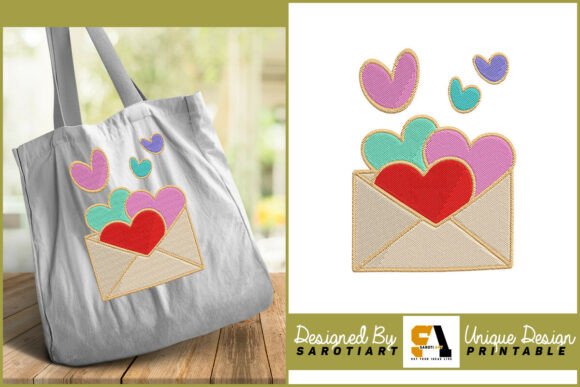
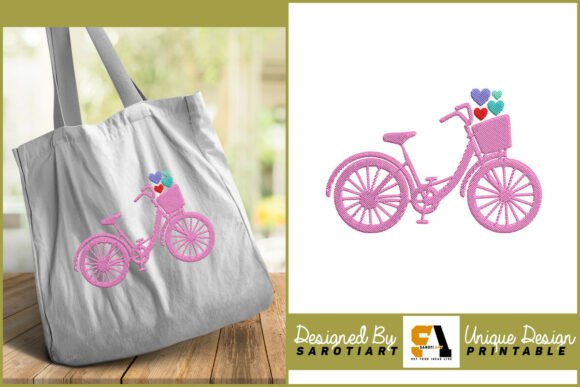
To truly judge this design, I mentally placed it in a current production scenario: creating a batch of canvas tote bags for a local boutique’s Valentine’s Day pop-up. While the title specifies a T-shirt, the line art composition makes it an exceptional tote bag design. Canvas is unforgiving; it shows every wobble in a running stitch. In this context, the Love Hands motif serves as a perfect accent without overwhelming the utility of the bag.
During this hypothetical test run, I considered the placement. Center-chest positioning on a sweatshirt or left-chest placement on a tee works beautifully, but on a tote, centering the design about four inches from the top seam provides optimal visibility. The open nature of the line art allows the natural texture of the canvas to show through, preventing the "bulletproof vest" effect that occurs when using overly dense satin stitches on lightweight bags. This balance is essential for maintaining the drape and feel of the fabric, ensuring the finished product remains functional and comfortable.
For Etsy sellers, this versatility is a major asset. A single embroidery file can be marketed across multiple niches. You could stitch this onto a baby onesie for a first Valentine’s gift, apply it to a linen tea towel for kitchen decor, or use it on a denim jacket patch. The design does not scream "holiday only," which extends its shelf life and ROI for small business owners managing inventory.
Fabric Compatibility and Stabilization Strategy
While the Valentine Design Embroidery T-shirt is versatile, it demands respect regarding fabric choice. Line art behaves differently than standard fill or applique designs. Here is where you must exercise caution:
- Stretchy Knits: If stitching this on a ribbed t-shirt or performance wear, the risk of distortion is high. You cannot rely solely on tear-away stabilizer. A cut-away mesh or fusible no-show stabilizer is mandatory to anchor the running stitches and prevent tunneling.
- Textured Fabrics: On terry cloth towels or fleece blankets, thin line art can get lost in the pile. You may need to use a water-soluble topping to keep the stitches visible and crisp. Without this, the delicate hand details might disappear into the fabric texture.
- Dark Fabrics: Contrast is everything. White or cream thread on black cotton pops beautifully, but pastel threads on dark navy can look muddy. Always test thread colors against the actual garment, not just a digital mockup.
- Curved Surfaces: Hooping caps or curved sleeves requires careful scaling. Ensure the design fits within the flat sewing field of your cap frame to avoid flagging or missed stitches at the edges.
Stitch density is another factor. Even though this is line art, verify that the digitizer has accounted for pull compensation. If the lines are too tight, they will pucker lightweight fabrics; if too loose, they may loop. Always run a sew-out on scrap material identical to your final project before committing to a full production run.
Commercial Viability and Customer Perception
For creative entrepreneurs, the question is always whether a design will convert to sales. The Love Hands Line Art succeeds because it targets the "thoughtful gifter" demographic. Customers looking for personalized gifts often prefer understated elegance over loud graphics. When presenting this Valentine Design Embroidery T-shirt in your shop, emphasize the craftsmanship. High-resolution photos showing the stitch texture build trust. Buyers want to see that the lines are smooth and the tension is balanced.
This design also supports brand consistency. If your shop specializes in boho, minimalist, or cottagecore aesthetics, this motif aligns perfectly. It avoids the generic clip-art look that can devalue a boutique brand. Furthermore, because it works for kids’ clothing and adult apparel alike, you can create matching sets—a high-value upsell opportunity for family photo sessions or mother-daughter gifts.
However, transparency is key. If you are selling the physical item, clearly state the garment type and care instructions. Line art generally holds up well to washing, but recommending cold cycles and air drying preserves the integrity of the stitches longer. If you are selling the digital embroidery file, provide clear guidance on recommended hoop sizes and stabilizers to reduce customer support inquiries later.
Essential Designer Notes for Success
Before you load this file into your machine or list it in your store, adhere to these professional best practices:
- Verify Licensing: Never assume usage rights. Check the specific license terms included with the Valentine Design Embroidery T-shirt. Confirm whether you have permission to sell finished physical products, digital files, or both. Respecting intellectual property protects your business reputation.
- Mockup Accuracy: Use printable mockups that reflect the actual scale of the design. A 4x4 inch design looks vastly different on a toddler tee versus an adult XL sweatshirt. Accurate representation reduces returns.
- Thread Selection: Matte threads often suit line art better than high-sheen rayon, as they mimic the look of ink drawing. Experiment with variegated threads for a unique, painterly effect that adds depth without increasing stitch count.
- Hoop Size Confirmation: Do not resize line art excessively. Stretching a design by more than 10-15% can distort stitch spacing. Always choose the hoop size closest to the original design dimensions.
- Test Sew-Out: This is non-negotiable. Stitch the design on the exact fabric you intend to use. Inspect the corners and curves for gaps or overlaps. Adjust tension or stabilizer based on this physical sample, not digital simulation.
Ultimately, the Valentine Design Embroidery T-shirt is a strong contender for any maker’s library. Its success depends less on the file itself and more on the intentionality of the embroiderer. By understanding the interplay between line art, fabric texture, and market trends, you can transform this simple motif into a profitable, professional-grade product that resonates with customers long after the holiday season ends.