Shell Yeah Embroidery: A Business Merch Review
As a professional embroidery designer specializing in commercial branding and small business merchandise, I approach every new machine embroidery design with a critical eye toward production viability. When evaluating the Shell Yeah Embroidery design for potential business use, my primary focus shifts from simple aesthetics to functional application. This review analyzes how this specific embroidery file performs when translated from a digital concept into tangible branded assets for cafes, boutiques, florists, and coastal-themed enterprises.
First Impressions: Visual Personality and Brand Alignment
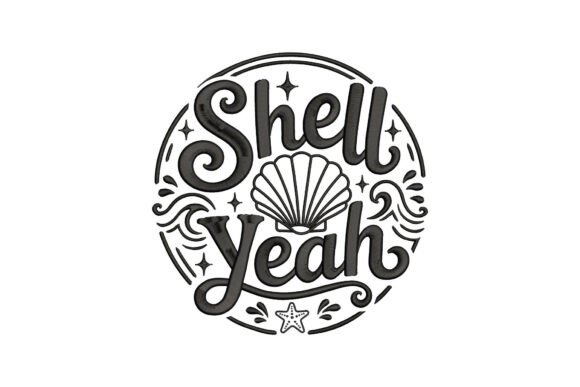
The title and description suggest a design created to add a subtle touch of charm and creativity. From a branding perspective, this indicates a visual personality that leans towards friendly, approachable, and artisanal rather than corporate or rigid. For a small business owner, this distinction is vital. The Shell Yeah Embroidery aesthetic appears well-suited for businesses that rely on warmth and customer connection, such as a beachside bakery, a handmade soap shop, or a local pet grooming studio.
However, "subtle" can sometimes translate to "low contrast" in commercial embroidery. My initial assessment suggests this design likely relies on texture and tone rather than bold, high-contrast outlines. While this creates an elegant, premium look on light-colored towels or pillows, it requires careful consideration when applied to dark uniforms or busy fabric textures. The charm lies in its delicacy, but for brand identity recognition at a distance, we must ensure the subtlety does not compromise visibility.
Real-World Applications for Small Business Merch
In my experience outfitting creative studios and retail shops, versatility is key. Here is how I envision Shell Yeah Embroidery functioning across various small business merch categories:
- Apron Embroidery: For florists or bakers, placing this design on the chest pocket area of a canvas apron adds a bespoke, handmade product feel without overwhelming the staff member. It serves as a gentle brand marker that feels organic to the craft.
- Tote Bag Design: Canvas totes are staples for boutique giveaways and retail sales. This design would work beautifully as a center chest or lower corner accent. Because tote bags often have a rougher weave, the design’s implied texture could complement the natural fabric texture of unbleached cotton.
- Embroidered Patch Production: If your business sells add-on accessories, this design has strong potential as a standalone patch. However, because the description notes it is perfect for stitching on T-shirts and towels, you must verify if the digitizing includes a merrowed edge or satin border suitable for patch creation. If not, it may function better as a direct-to-garment application.
- Staff Uniforms: For hospitality venues in coastal areas, this design offers a thematic tie-in without being kitschy. It works best as a sleeve detail or a small left-chest logo accent on polo shirts, reinforcing the location's vibe while maintaining professionalism.
Production Considerations and Technical Limitations
While the aesthetic is appealing, technical execution determines profitability. As an experienced digitizer and production manager, I advise testing Shell Yeah Embroidery against these specific constraints before committing to a bulk order:
Size and Legibility Constraints
The description highlights suitability for T-shirts, towels, and pillows. These are generally flat, stable surfaces with ample space. Caution is required when resizing this design for cap embroidery or small tags. Intricate details that look charming at four inches may become muddy blobs at 1.5 inches. Always check the minimum recommended size in the digital embroidery file metadata. If the design contains tiny lettering or thin connecting stitches, scaling it down for a hat front or sleeve cuff may result in thread breaks or poor registration.
Fabric Compatibility and Stabilizer Selection
Because this design is intended for items like towels, it likely accounts for pile or texture. However, applying it to performance wear or lightweight linen requires different stabilizer strategies. On a towel, you might use water-soluble topping to prevent stitches from sinking. On a lightweight tee for summer merch, using too much stabilizer will create a stiff, uncomfortable bulletproof patch effect. Test the stitch density on your actual production garments. If the design is too dense for apparel, consider requesting a lighter density version or using it exclusively on heavier goods like tote bags and aprons.
Thread Color and Contrast Management
A "subtle touch of charm" often implies tonal stitching. In custom apparel production, tonal designs can disappear on camera or in low-light retail environments. Before running production, create a printable mockup and compare it beside your other design assets. Does it hold its own? You may need to adjust thread colors to increase contrast slightly for merchandise intended for sale, while keeping the original subtle palette for internal staff uniforms where understated elegance is preferred.
Impact on Brand Value and Customer Trust
Why choose Shell Yeah Embroidery over a generic stock graphic? The answer lies in perceived value. Customers associate detailed, well-executed embroidery with quality and care. When a florist wears an apron featuring this thoughtful design, or when a customer receives a gift wrapped with a branded towel featuring this motif, it signals that the business pays attention to details.
This level of polish directly influences buyer engagement. In the Etsy and handmade marketplaces, listing photos showing crisp, clean embroidery on real products convert better than digital renders alone. Using this design consistently across your finished product line builds visual cohesion. It transforms disparate items—shirts, bags, linens—into a unified collection. This consistency fosters trust; customers recognize the brand instantly, associating the shell motif with your specific standard of quality.
Essential Designer Notes for Commercial Success
To ensure Shell Yeah Embroidery delivers ROI for your business, follow this pre-production checklist:
- Verify Licensing: Before selling any merchandise featuring this design, confirm the commercial embroidery license terms. Ensure you are permitted to sell finished goods and not just the file itself.
- Conduct a Black and White Test: Print the design in grayscale. If the image loses definition without color, the design relies too heavily on hue rather than structure. This is a risk for single-color budget merch runs.
- Check Hoop Size Requirements: Confirm the design fits within your machine’s maximum hoop size without requiring re-hooping or splitting. Multi-hoop designs increase labor costs and alignment risks significantly.
- Test on Target Fabric: Never assume a design optimized for towels will work on caps or polyester tees. Run a sew-out on the exact material you intend to use for production.
- Create Client Approval Mockups: If you are a decorator producing for another business, always provide a physical sample or high-fidelity mockup. "Subtle" is subjective; ensure the client agrees with the level of visibility before stitching 50 units.
- Review Stitch Count vs. Price Point: Higher stitch counts mean longer run times. Calculate whether the perceived value of this intricate design justifies the machine time cost for your specific price point.
Shell Yeah Embroidery presents a compelling option for businesses seeking to infuse their merchandise with coastal charm and artisanal quality. By respecting its technical parameters and leveraging its friendly aesthetic strategically, small business owners can transform this digital file into a powerful asset for brand recognition and customer delight. Always prioritize testing and fabric compatibility to ensure the final embroidered piece reflects the professionalism of your enterprise.