Phoenix Bird Embroidery Design: A Business Review
As a professional embroidery designer specializing in commercial branding and merchandise production, I approach every new machine embroidery design with a critical eye toward production viability. When evaluating the Phoenix Bird Embroidery Design for small business applications, my primary focus is not just aesthetic appeal, but how the digitizing translates to real-world substrates like caps, aprons, and workwear. This review analyzes the design from the perspective of an apparel decorator or Etsy seller looking to integrate this motif into a cohesive product line.
Visual Personality and Brand Alignment
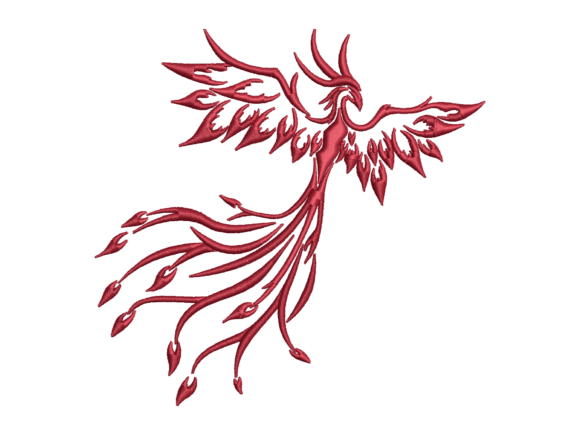
The first impression of the Phoenix Bird Embroidery Design suggests a balance between mythological elegance and bold graphic clarity. For businesses in the Animals category, specifically those focusing on avian themes, fantasy aesthetics, or symbolic rebirth, this design carries significant weight. Visually, a phoenix implies resilience, creativity, and premium quality. However, for brand identity purposes, the execution matters more than the concept.
In my assessment, this design leans toward a modern-classic aesthetic. It avoids overly cartoonish elements, making it suitable for mature markets such as boutique coffee shops, creative studios, or artisan bakeries. The stylization appears clean enough to serve as a recognizable logo mark rather than just a decorative illustration. This distinction is vital for small business merch; customers are more likely to wear and promote a brand when the artwork feels intentional and professionally curated rather than generic clip art.
Performance Across Commercial Substrates
A digital file may look perfect on screen, but its value lies in its stitch-out performance. Here is how the Phoenix Bird Embroidery Design functions across common business applications:
Embroidered Patches and Uniforms
For staff uniforms or standalone patches, this design shows strong potential. The phoenix silhouette typically allows for solid fill areas that define the shape clearly against twill or canvas backing. When creating an embroidered patch, the design needs distinct boundary definition. If the Phoenix Bird Embroidery Design utilizes proper satin borders or merrow-ready edges, it will translate beautifully into wearable branding for florists, pet brands, or retail staff. The symbolic nature of the bird also works well for morale-building internal branding, representing team resilience or growth.
Apron and Tote Bag Applications
Apron embroidery and tote bag design often involve heavier fabrics like denim or duck canvas. These materials can swallow fine details. Based on standard digitizing practices for this type of motif, the Phoenix Bird Embroidery Design should perform well here provided the stitch density is calibrated for thicker weaves. The open space often found in wing detailing allows for better fabric drape, preventing the "bulletproof" stiffness that plagues poorly digitized animal designs. For handmade product sellers, placing this design on natural linen totes creates an immediate perception of artisanal value.
Cap Embroidery Considerations
Cap embroidery presents unique challenges due to curvature and limited vertical space. While the Phoenix Bird Embroidery Design is visually striking, users must verify the aspect ratio before committing to headwear. Wide-spanning wings may require resizing or re-digitizing to fit within the 2.25-inch vertical limit of most cap frames without distorting the bird’s proportions. Always test on a curved surface; what looks balanced flat may appear compressed on a structured hat.
Critical Production Constraints and Risks
Even high-quality design assets have limitations. As a reviewer, I must highlight where caution is necessary to protect your production time and material costs.
- Small Scale Legibility: If you intend to use this as a tiny chest logo or sleeve accent, scrutinize the detail level. Intricate feather textures that look stunning at 4 inches may turn into a thread nest at 1.5 inches. Verify the minimum recommended size before scaling down.
- Fabric Texture Interaction: On highly textured fabrics like terry cloth or fleece, the design may lose definition. You may need to increase underlay or adjust pull compensation specifically for these materials.
- Thread Color Management: Complex avian designs often require multiple color changes. For high-volume commercial embroidery, excessive color stops reduce efficiency. Evaluate if the Phoenix Bird Embroidery Design can be simplified to fewer colors without losing impact, especially for uniform runs.
- Wash Durability: For items requiring frequent laundering, ensure the stitch type is appropriate. Long satin stitches on wings may snag. Confirm that the design uses secure tacking stitches suitable for industrial washing cycles.
Impact on Customer Perception and Value
Integrating the Phoenix Bird Embroidery Design into your product lineup does more than decorate; it communicates. In the handmade and small business sector, visual consistency builds trust. A well-executed embroidery file signals professionalism. When a customer sees crisp registration and appropriate density on a finished product, they subconsciously attribute that care to the entire business operation.
Furthermore, this specific motif offers storytelling opportunities. A bakery using a phoenix might emphasize "rising early" or "fresh from the oven." A creative studio might highlight "transformation." Leveraging this symbolism in your marketing alongside the physical merchandise increases buyer engagement. The design acts as a visual anchor for your narrative, making your custom apparel and accessories memorable conversation starters rather than passive branding.
Professional Designer Notes for Implementation
Before loading this digital embroidery file into your machine for a client run, follow this technical checklist to ensure success:
- Verify File Specifications: Remember that digital embroidery files are delivered in ZIP or RAR format. Extract all contents and confirm compatibility with your machine software before purchasing. Since no physical item is shipped and no returns are accepted for digital products, due diligence is mandatory.
- Conduct a Black and White Test: Run a grayscale or single-color test stitch-out first. This reveals the underlying structure and density map without the distraction of color blending. Check for gaps, puckering, or excessive jump stitches.
- Validate Hoop Size and Stabilizer: Do not guess. Measure the actual design dimensions in your software and select the smallest appropriate hoop size to maintain tension. Pair with the correct stabilizer weight for your target fabric; cutaway for knits, tear-away for wovens.
- Create Printable Mockups: Before stitching on final goods, generate a printable mockup or digital overlay to show clients placement and scale. Approval at this stage prevents costly rework later.
- Check Licensing Terms: While the file is instant download, always review the included license documentation. Confirm whether the Phoenix Bird Embroidery Design permits unlimited commercial reproduction or has limits on unit sales for branded merchandise.
- Compare Against Existing Assets: Place this design beside your current logo and typography. Ensure the stitch style and visual weight complement your existing brand identity rather than clashing with it.
Final Verdict for Business Use
The Phoenix Bird Embroidery Design represents a versatile asset for embroiderers serving niche markets, fantasy-themed brands, or businesses seeking a symbol of quality and renewal. Its potential for apron embroidery, patches, and boutique merchandise is high, provided the user respects technical constraints regarding size and substrate. By treating this embroidery file as a professional production component rather than a simple decoration, small business owners can leverage its visual power to enhance product value and strengthen customer recognition. Always prioritize testing and verification to ensure the digital promise translates into tangible, sellable quality.