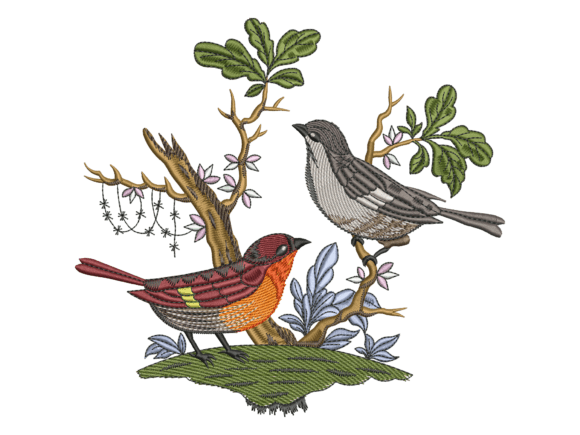
Robin and Sparrow Garden Embroidery for Apparel
As an embroidery designer constantly sourcing fresh artwork for boutique apparel collections, I approach every new digital download with a critical eye. When evaluating Robin and Sparrow Garden Embroidery from Creative Fabrica, my primary focus is not just the aesthetic appeal of the birds, but how this machine embroidery design translates onto physical garments. For Etsy sellers and small shop owners, the gap between a beautiful screen preview and a stitched reality is where profit margins live or die. This review examines the design through the lens of production, specifically for sweatshirt embroidery and custom apparel lines that require both visual charm and technical reliability.
Visual Personality and Boutique Brand Identity
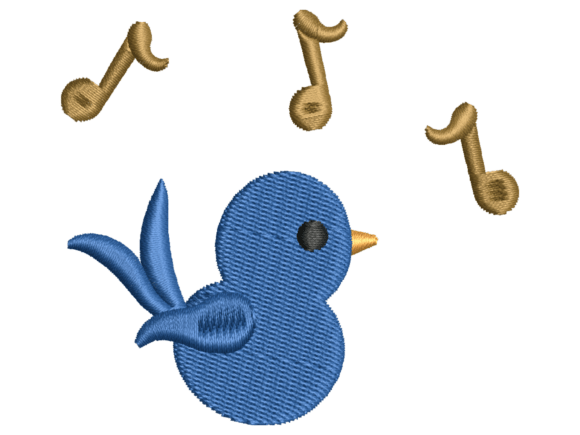
The first impression of Robin and Sparrow Garden Embroidery is one of refined rustic charm. In the Animals category of embroidery, it is easy to find designs that are either too cartoonish for adult apparel or too realistic and dense for comfortable wear. This design strikes a sophisticated balance. It possesses a vintage botanical illustration quality that feels premium rather than crafty. For a boutique brand aiming for a cottage-core or slow-fashion aesthetic, this visual mood is invaluable.
When planning a collection, I look for versatility. This design carries enough decorative strength to serve as a standalone statement piece on a tote bag, yet it retains the delicate line work necessary for a subtle chest placement on a pastel hoodie. The interplay between the robin and sparrow suggests movement and life, which adds narrative value to handmade products. For creative entrepreneurs building a cohesive brand identity, this level of artistic consistency helps establish buyer trust. Customers recognize the difference between generic clip art and a thoughtfully composed embroidery file intended for textile application.
Application Across Garment Types and Fabrics
Testing Robin and Sparrow Garden Embroidery across different substrates reveals its true commercial potential. Neutral sweatshirts, particularly those in oatmeal, sage, or charcoal, provide the ideal canvas. The contrast of thread colors against these muted backgrounds allows the garden motif to pop without overwhelming the garment. For oversized garments, the scale of the design is crucial. If the digitizing maintains open spaces within the garden elements, it prevents the "bulletproof" patch effect that can ruin the drape of a cozy seasonal outfit.
For t-shirt embroidery and lighter knits, the design’s density becomes the deciding factor. Lightweight fabrics require a machine embroidery design that flows with the material rather than fighting it. If the stitch density is optimized for apparel, this design works beautifully on left-chest placements. However, for denim jackets or canvas tote bags, the design offers excellent coverage. The texture of denim pairs exceptionally well with nature-inspired embroidery, creating a tactile experience that enhances the perceived value of the finished product.
Hoodie design requires special consideration regarding the center seam and pocket placement. Robin and Sparrow Garden Embroidery appears adaptable for upper-chest yoke placements or sleeve accents, avoiding the bulk of the front pouch. This flexibility is essential for digital sellers who need to offer multiple customization options from a single embroidery file. Lifestyle product photos featuring this design on layered outfits tend to perform well on social media because the intricate details invite closer inspection, driving engagement and click-throughs.
Technical Considerations for Professional Results
While the aesthetic is strong, professional presentation depends entirely on execution. There are specific areas where caution is required when stitching this design. Ribbed fabric and fleece present challenges due to their texture and stretch. If the garden elements contain tiny lettering or extremely fine detail, they may get lost in the pile of a heavy sweatshirt. As a designer, I always advise testing on scrap fabric that matches your production garment exactly. A design that looks crisp on cotton twill may require adjustment or a different stabilizer choice when moving to French terry or ribbed knit.
Stabilizer selection is non-negotiable. For stretchy apparel fabrics, a high-quality cut-away stabilizer is typically necessary to prevent distortion during wear and washing. Hoop size confirmation is another critical step; ensure your machine’s hoop accommodates the full design without requiring excessive re-hooping, which can lead to registration issues. Before listing any commercial embroidery products, verify the stitch density. Dense fills combined with complex satin stitches can cause puckering on lightweight tees. If the design feels too heavy for your target fabric, consider using it exclusively on outerwear or accessories.
Dark garments also demand attention. While Robin and Sparrow Garden Embroidery likely includes standard color palettes, you may need to adjust thread colors for visibility on navy or black apparel. Sometimes, adding a light underlay or outlining key elements in a metallic or lighter shade ensures the design reads clearly in low-light lifestyle photography. These small adjustments separate amateur outputs from professional boutique merchandise.
Commercial Viability and Licensing Awareness
For Etsy sellers and handmade business owners, understanding the product parameters is as important as the stitching itself. Robin and Sparrow Garden Embroidery is delivered as a digital product in ZIP or RAR format. This instant download model facilitates rapid prototyping, allowing you to test market response before committing to bulk inventory. However, remember that no physical item will be shipped, and there are no returns or refunds for digital products. This policy underscores the importance of checking Creative Fabrica product details thoroughly before purchase.
You must confirm licensing terms directly on the product page. While many Creative Fabrica embroidery files allow for commercial use on finished physical products, restrictions often apply to reselling the digital embroidery file itself or using it in printable mockups without modification. Ensuring compliance protects your shop from intellectual property disputes and maintains your reputation as a legitimate small business. Always review the license before integrating the design into your permanent catalog.
Designer Notes for Production Success
To maximize the value of this embroidery file in your apparel line, follow these practical protocols:
- Verify Specifications: Confirm hoop size, stitch count, and included formats before starting production. Do not assume compatibility with your specific machine brand.
- Test Stitch-Outs: Never run a final production piece without a test on identical fabric. Inspect for thread breaks, tension issues, or design distortion.
- Evaluate Contrast: Review thread color contrast against your specific garment inventory. What works on white may fail on cream.
- Check Placement: Use printable mockups to visualize placement, but validate with a physical pin or chalk mark on the actual garment to account for seams and curves.
- Monitor Density: If the design feels stiff, consult your digitizing software or choose a lighter weight garment to maintain comfort.
- Document Settings: Keep notes on which stabilizer and needle type worked best for future reorders, ensuring visual consistency across batches.
Ultimately, Robin and Sparrow Garden Embroidery represents a strong asset for apparel decorators seeking to elevate their offerings beyond basic monograms. Its blend of natural elegance and adaptable composition makes it suitable for a wide range of boutique applications, from cozy hoodies to structured denim. By approaching this machine embroidery design with technical diligence and respect for fabric limitations, creative entrepreneurs can transform a digital file into a tangible, high-value product that resonates with customers seeking quality handmade apparel. The success of such a design lies not just in its digital beauty, but in the thoughtful, professional execution of the embroiderer behind the machine.