Fluffy Bunny Embroidery: A Craft Fair Seller Review
As an experienced embroidery designer preparing for a weekend craft fair, my evaluation of any new machine embroidery design goes far beyond digital aesthetics. I have to consider stitch-out stability, production speed, and immediate visual appeal on a crowded table. When reviewing the Fluffy Bunny Embroidery file, my primary focus is its viability as a high-turnover craft fair product. This design falls squarely into the Baby Animals category, a perennial bestseller for handmade markets, but success depends entirely on execution and product placement.
First Impressions and Visual Marketability
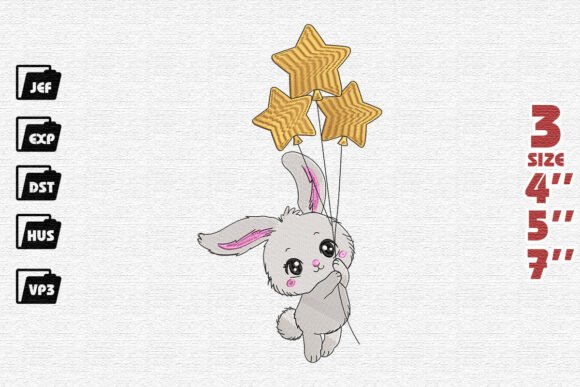
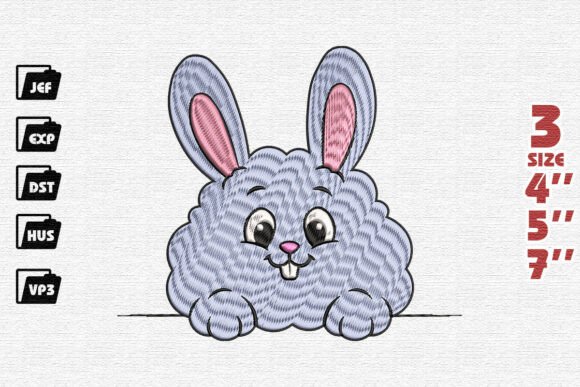
Upon loading the embroidery file, the Fluffy Bunny Embroidery presents as a soft, whimsical design with significant commercial potential. It strikes a balance between nursery elegance and rustic charm, making it versatile for various demographics. For an Etsy seller or boutique maker, this aesthetic is crucial because it appeals to both new parents and shoppers looking for nostalgic, cottage-core items. The design does not feel overly cartoonish; instead, it carries a premium, handcrafted quality that justifies a higher price point at a market booth.
The availability in 4″, 5″, and 7″ sizes is a major advantage for batch production. The 4″ version serves as an excellent accent for smaller goods, while the 7″ size acts as a focal point for larger textiles. This scalability allows me to create a cohesive collection where the same bunny motif ties together disparate items like bibs and throw pillows, strengthening brand consistency across my display.
Best Performing Products for Market Sales
Not every handmade product suits every design. Based on the stitch structure and theme of Fluffy Bunny Embroidery, I have identified specific carriers that maximize sales potential:
- Tea Towel Embroidery: This is arguably the strongest application. The 5″ or 7″ bunny centered on a flour sack towel creates an instant gift item. The flat weave of tea towels accommodates the likely fill stitches used to create the "fluffy" texture without distortion.
- Tote Bag Design: A natural canvas tote featuring the 7″ bunny appeals to the eco-conscious shopper. The contrast of dark thread on unbleached canvas highlights the design’s details effectively from a distance.
- Apron Embroidery: Placing the 4″ bunny on the chest pocket area of a linen apron adds a subtle, personalized touch that elevates the perceived value of the garment.
- Embroidered Patch: Using the smallest size with a merrowed edge or satin border transforms the design into a standalone add-on sale. Patches are low-cost impulse buys that complement higher-ticket items.
- Fabric Pouches and Pillow Covers: These items allow the design to shine without the functional wear-and-tear concerns of clothing. They are perfect for showcasing the intricate details of the Baby Animals theme.
Production Practicality and Booth Display Strategy
For a small shop product line, efficiency is key. Fluffy Bunny Embroidery appears optimized for repeatable hooping. The included formats—EMB, VP3, EXP, PES, JEF, HUS, and DST—ensure compatibility across commercial and multi-needle machines. As a digital embroidery file, having the EMB source format is particularly valuable for professional digitizers who may need to tweak density for specific fabrics before a big show.
From a display perspective, this design photographs exceptionally well. The textured nature implied by "Fluffy" catches light beautifully, creating depth in listing photos and printable mockups. At a physical booth, I would position the 7″ samples at eye level to draw customers in, while keeping the 4″ and 5″ versions accessible for tactile inspection. Customers at craft fairs want to touch the stitching; ensuring the bunny feels soft and secure under their fingers converts browsers into buyers.
Critical Technical Considerations and Careful Use Notes
Despite its charm, Fluffy Bunny Embroidery requires careful technical management. Designs aiming for a fluffy appearance often utilize high stitch density or specialized textures. This presents specific challenges:
- Stabilizer Selection: You must use adequate stabilization. A dense bunny on a lightweight tea towel without proper cut-away or tear-away backing will cause puckering. Always test your stabilizer choice on scrap fabric first.
- Fabric Texture Compatibility: Avoid highly textured terry cloth or waffle weave unless you use a water-soluble topping. The fine details of the bunny’s face and fur can get lost in the pile of thick towels.
- Small Size Clarity: When scaling down to the 4″ option, verify that tiny details remain distinct. Sometimes reducing a complex design causes stitch overlap or illegible features. Inspect the spacing and confirm the hoop size allows sufficient margin for clean stitching.
- Thread Colors and Contrast: The "fluffy" effect relies heavily on shading. Ensure your thread colors provide enough contrast against the base fabric. A white bunny on cream fabric may look elegant online but invisible in dim fair lighting. Test high-contrast pairings for market samples.
- Curved Surfaces: If applying this to caps, be aware that the 7″ size may exceed the sewable area of standard cap frames. Stick to the 4″ or 5″ sizes for headwear to avoid registration issues.
Designer Recommendations for Commercial Success
Before listing Fluffy Bunny Embroidery as a finished commercial embroidery product, adhere to these professional protocols. First, always run a complete test stitch-out. Do not rely solely on software simulation. Check the back of the embroidery for excessive jump stitches or bobbin thread showing through, which devalues the finished product.
Secondly, review the licensing terms associated with the design assets. While the file formats suggest professional usability, you must confirm whether the license permits unlimited physical sales or requires attribution. This protects your business integrity as an Etsy seller or market vendor.
Finally, leverage the versatility of the provided sizes. Create a tiered pricing strategy: the 4″ bunny items as entry-level products, the 5″ as mid-range staples, and the 7″ as premium showcase pieces. By treating Fluffy Bunny Embroidery not just as a cute graphic but as a strategic inventory asset, you maximize both booth engagement and profit margins. Remember to compare fabric colors in natural light before finalizing your production run, as this ensures the handmade quality shines through in every stitch.