Vintage Flower Embroidery Pattern Review
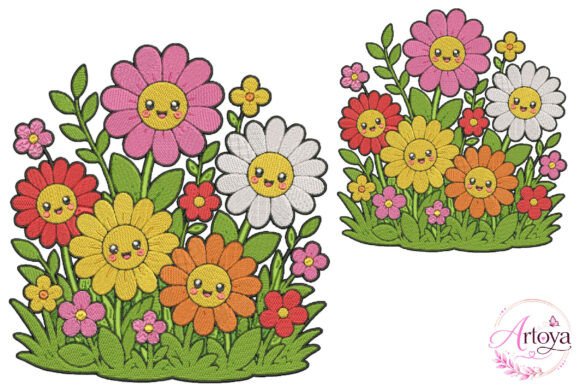
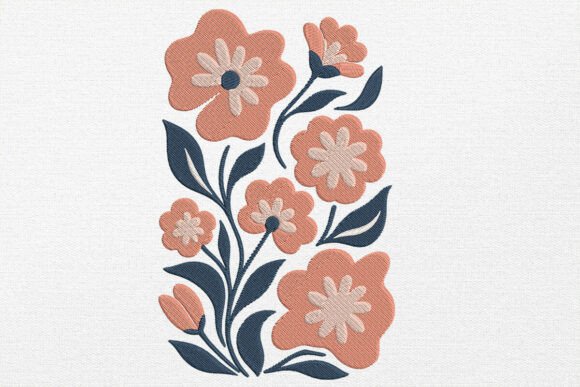
As I curate my upcoming seasonal collection, selecting the right machine embroidery design is critical for balancing aesthetic appeal with production efficiency. The Vintage Flower Embroidery Pattern immediately caught my attention as a potential anchor piece for holiday inventory. Featuring elegant wildflowers in a minimalist style, this design bridges the gap between nostalgic charm and modern simplicity. For fellow Etsy sellers, apparel decorators, and small business owners planning limited-time drops, understanding how this specific floral motif translates from screen to fabric is essential. This review evaluates the design’s viability for sweatshirts, home decor, and gift-ready items during the busy holiday shopping season.
First Impressions: Seasonal Mood and Aesthetic Versatility
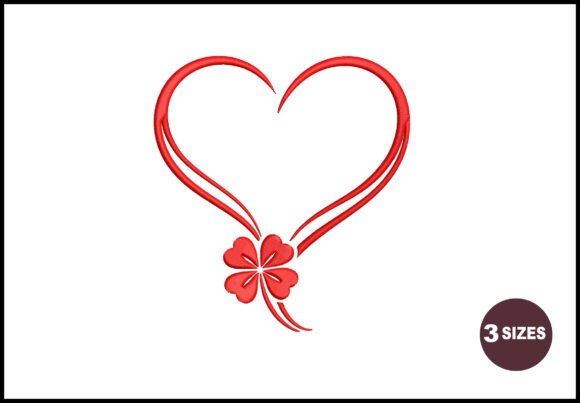
My initial assessment of the Vintage Flower Embroidery Pattern focuses on its emotional resonance. Unlike dense, traditional floral wreaths that can sometimes feel heavy or dated, this design offers a breathable, organic elegance. The minimalist line art approach evokes a sense of calm sophistication, making it highly suitable for the "slow living" trend that dominates holiday gifting. It feels less like a loud festive graphic and more like a timeless heirloom piece.
This versatility is a major asset for seasonal embroidery. While clearly botanical, the vintage styling allows it to transition seamlessly from autumn harvest themes into winter holidays and even early spring collections. For shop owners, this extends the product lifecycle beyond a single holiday window. The design carries a romantic yet rustic tone that appeals to customers seeking personalized gifts with a handmade, artisanal quality rather than mass-produced cheer.
Strategic Applications for Holiday Product Lines
When integrating this digital embroidery file into a commercial lineup, I evaluate specific use cases where the minimalist wildflower aesthetic adds tangible value. Here is how I plan to utilize this pattern across different categories:
- Sweatshirt Embroidery: The clean lines work exceptionally well on fleece and French terry fabrics. Because the design is not overly dense, it prevents the garment from becoming stiff or puckered, maintaining the cozy drape customers expect in holiday loungewear.
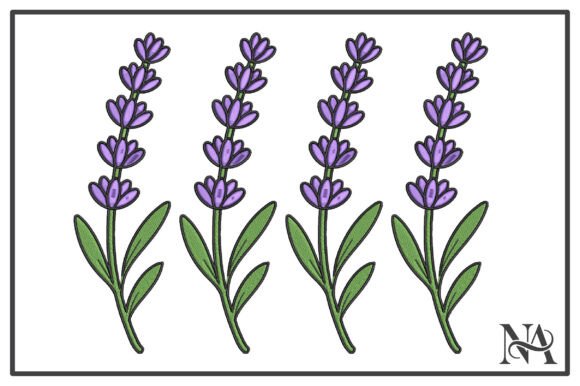
- Kitchen Towel Embroidery: Tea towels are a staple holiday seller. This pattern’s vertical orientation fits perfectly above the hemline without interfering with the towel's functionality. The vintage vibe pairs beautifully with waffle weave or linen textures.
- Tote Bag Design: For eco-friendly holiday shoppers, this design elevates a simple canvas bag into a fashion statement. The minimalist nature ensures the embroidery remains legible even on unstructured fabric.
- Pillow Cover Decor: As a centerpiece for seasonal home styling, this pattern offers enough visual interest to stand alone but remains subtle enough to layer with other textured textiles.
- Gift Bundles: I see strong potential for bundling embroidered napkins with matching aprons. The cohesive look of the wildflowers creates a premium perception for wedding or hostess gifts.
Technical Considerations and Production Cautions
Despite its elegance, the Vintage Flower Embroidery Pattern requires careful technical execution. Minimalist line art is often less forgiving than filled satin stitch designs because every jump stitch and tension issue is visible. Before listing any finished product, I recommend the following precautions:
Fabric Texture and Stabilizer Selection
The delicate nature of wildflower stems demands appropriate stabilization. On stretchy garments like sweatshirts, using a cut-away stabilizer is non-negotiable to prevent distortion. For thicker fabrics like terry cloth or velvet, consider using a water-soluble topping to keep the stitches from sinking into the pile. Always test your stabilizer combination on a scrap piece first; the fabric texture significantly impacts the final crispness of the line work.
Hoop Size and Detail Integrity
Verify the hoop size requirements before purchasing or stitching. Scaling down minimalist designs can be risky; if the wildflower details become too small, they may turn into a thread blob or cause needle breaks. Conversely, scaling up too much might make single running stitches look sparse. Check the original dimensions of the embroidery file and stick close to the designer’s intended size to preserve the artistic integrity of the floral wreaths and individual blooms.
Thread Colors and Contrast
Vintage aesthetics rely heavily on color choice. High-contrast neon threads will clash with the intended mood. I advise testing thread colors on both light and dark fabrics. Muted tones like sage, dusty rose, terracotta, and antique gold enhance the nostalgic feel. If stitching on dark fabric, ensure the digitizing includes adequate underlay or consider a lighter outline to prevent the dark fabric from visually swallowing the delicate stitches.
Enhancing Buyer Emotion and Shop Value
In the competitive landscape of holiday embroidery, product photography and presentation drive sales. The Vintage Flower Embroidery Pattern lends itself beautifully to lifestyle marketing. Because the design is understated, it photographs well in natural light without overwhelming the composition. When creating printable mockups or social media previews, style the item with complementary props like dried eucalyptus, kraft paper packaging, or warm candlelight to reinforce the cozy, premium narrative.
Furthermore, this design supports higher price points through perceived value. Customers associate intricate, tasteful botanical work with skilled craftsmanship. By positioning this as a "limited edition seasonal release" or part of a curated "heritage collection," you tap into buyer emotions centered on tradition and thoughtfulness. This is particularly effective for personalized gifts where the recipient values sentiment over flashiness.
Designer Notes for Commercial Success
Before adding this design to your shop, please adhere to these professional best practices to ensure customer satisfaction and protect your business:
- Confirm Licensing: Always verify the commercial license terms included with the digital embroidery file. Ensure you have the rights to sell finished products featuring this Vintage Flower Embroidery Pattern, especially if you plan to scale production for craft fairs or wholesale.
- Stitch Density Check: Run a test stitch-out to evaluate density. Minimalist designs should feel soft to the touch. If the sample feels bulletproof or cardboard-like, adjust the density settings in your software or contact the digitizer for a lighter version suitable for apparel.
- Mockup Accuracy: Create realistic mockups that accurately represent the stitch texture. Avoid flat vector overlays that mislead customers about the tactile quality of the embroidery. Honest representation builds trust and reduces returns.
- Wash Testing: Holiday items like kitchen towels and baby bibs require frequent laundering. Wash and dry your test sample three times to check for thread shrinkage or fabric puckering. Durability is key to positive reviews.
- Color Palette Planning: Develop a signature color palette for the season. Consistency across your sweatshirt embroidery, patches, and home goods creates brand recognition. Document your thread numbers so you can replicate the exact vintage shade for future orders.
The Vintage Flower Embroidery Pattern represents a thoughtful addition to any seasonal catalog. Its blend of minimalist elegance and nostalgic warmth makes it a versatile tool for creators looking to offer meaningful, high-quality handmade goods. By respecting the technical nuances of line art and presenting the design with intentional styling, this pattern can become a bestseller that resonates deeply with holiday shoppers seeking authentic connection through craft.