Tropical Palm Tree Machine Embroidery Review
As a professional embroidery digitizer and product reviewer, I approach every new machine embroidery design with a critical eye. It is not enough for a graphic to look appealing on a screen; it must translate seamlessly into thread, tension, and texture. When evaluating the Tropical Palm Tree Machine Embroidery file, my primary focus is on how this botanical motif performs under the needle and whether it delivers the professional finish that today’s makers and small business owners require. This review breaks down the practical realities of stitching out this design, moving beyond the digital preview to assess its true value in real-world production.
First Impressions and Botanical Aesthetics
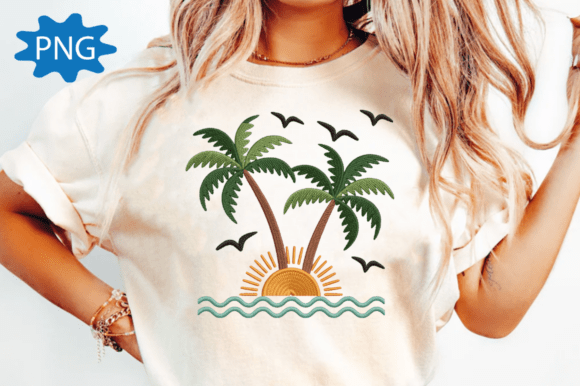
The initial visual impact of the Tropical Palm Tree Machine Embroidery is one of relaxed sophistication. Unlike generic clip art, this design appears to balance organic flow with structural integrity, which is crucial for embroidery. The fronds seem to have distinct separation, suggesting that the digitizer understood the importance of avoiding muddy stitch overlap. For an Etsy seller or boutique owner, this aesthetic versatility is key. The design carries a mood that feels equally at home on a beachwear line as it does on modern nursery decor. It avoids being overly cartoonish, maintaining a level of elegance that appeals to adult buyers looking for custom apparel or high-end personalized gifts.
From a layout perspective, the palm tree silhouette offers excellent negative space. This is a significant advantage for those integrating text. Whether you are adding a family name for a reunion shirt or a location tag for resort merchandise, the design’s architecture likely supports typography without requiring excessive resizing or distortion. As a digital embroidery file, it serves as a strong foundation for layered projects where the graphic acts as an anchor rather than overwhelming the entire composition.
Real-World Application: Stitching a Summer Tote
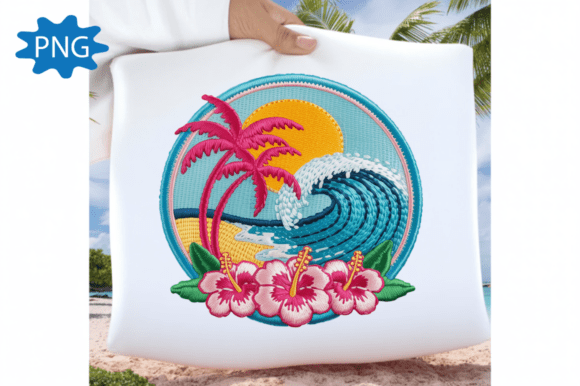
To truly judge this asset, I mentally placed it in a specific production scenario: creating a premium canvas tote bag design for a summer pop-up shop. Tote bags present unique challenges due to the coarse weave of canvas and the need for durability. In this context, the Tropical Palm Tree Machine Embroidery needs to have sufficient stitch density to prevent the fabric grain from showing through, yet remain light enough to avoid puckering the heavy material.
If the design utilizes a mix of fill stitch and satin stitch elements, it would create a beautiful tactile contrast against the matte canvas. I envision the trunk utilizing a textured fill to mimic bark, while the leaves use directional stitching to catch the light. For a craft business, this level of detail elevates a simple bag into a perceived high-value item. Customers are more likely to purchase a handmade product when the embroidery looks intentional and crisp. Furthermore, because tote bags are frequently washed and subjected to wear, the design must be robust. If this file includes proper underlay stitches, it will maintain its shape over time, ensuring customer satisfaction and repeat business.
Fabric Compatibility and Technical Considerations
While the Tropical Palm Tree Machine Embroidery shows great promise, success depends heavily on substrate selection. Not all fabrics are created equal, and this design requires thoughtful pairing.
- Stable Wovens: Canvas, denim, and linen are ideal candidates. These fabrics support the weight of botanical designs without excessive distortion. Always use a cut-away stabilizer for permanent support.
- Stretchy Knits: If applying this to a t-shirt or sweatshirt, caution is necessary. Palms can be stitch-heavy. Ensure the embroidery file has been optimized for knits to prevent bulletproofing (stiff, dense patches). A fusible mesh stabilizer is often required here to maintain drape.
- Textured Surfaces: On terry cloth towels or fleece blankets, the fine details of palm fronds may get lost. In these cases, consider using a water-soluble topper to keep the stitches above the pile.
- Curved Items: Caps and sleeves introduce curvature that can distort vertical elements like tree trunks. Test the design on a curved surface first to ensure the palm doesn't lean unintentionally.
For those considering this as an applique design, verify if the file includes placement lines and tack-down stitches. Applique is an excellent way to reduce stitch count on larger garments like sweatshirt embroidery projects, making the final product softer and more comfortable to wear.
Commercial Viability for Sellers and Makers
For creative entrepreneurs and digital product sellers, the value of this design extends beyond a single project. The Tropical Palm Tree Machine Embroidery fits squarely into current market trends favoring nature-inspired, escapist themes. However, professionalism dictates that you verify licensing before listing any finished product for sale. While the store mentions custom typography bundles for print-on-demand, always confirm if this specific embroidery file permits commercial use for physical goods versus digital assets.
When creating printable mockups for your listings, remember that digital perfection differs from stitched reality. Use photos of actual test stitches alongside your digital renders to build trust. Buyers appreciate seeing how the thread colors interact with different fabric textures. If you are selling the design itself as part of a bundle, provide clear notes on recommended hoop sizes and stabilizer types. This transparency reduces customer service inquiries and establishes your brand as a reliable source for quality design assets.
Critical Pre-Stitch Checklist for Best Results
Before committing this design to a final product, run through this practical evaluation process. Skipping these steps is the most common cause of wasted materials and frustration.
- Verify Specifications: Check the exact stitch count and dimensions. Ensure the design fits your available hoop size with adequate margin for movement. Do not assume compatibility based on thumbnails.
- Test on Scrap: Never stitch directly on a final garment without a test run. Use a scrap of the exact fabric and stabilizer combination you intend to use. Inspect registration, tension, and coverage.
- Contrast Check: Evaluate visibility. A dark green palm on a navy shirt may disappear. Test thread colors in both natural and artificial lighting to ensure the design pops as intended.
- Density Audit: Feel the back of your test stitch-out. If it feels like armor, the density is too high for that fabric. You may need to edit the file or choose a heavier substrate.
- Wash Test: For items like baby embroidery or kitchen linens, wash and dry the test piece. Check for shrinkage, puckering, or thread loss. Durability is non-negotiable for functional goods.
- Mockup Validation: Create black and white versions of your mockups to check value contrast. If the design relies solely on color difference rather than tonal variation, it may lack depth in certain lighting conditions.
Elevating Your Embroidery Portfolio
The Tropical Palm Tree Machine Embroidery represents a valuable addition to a maker's library when used with intention. Its strength lies in its ability to evoke a specific atmosphere while remaining adaptable across various mediums, from holiday embroidery gifts to everyday fashion. By treating this file as a technical component rather than just a pretty picture, you unlock its full potential.
Remember that successful commercial embroidery is built on consistency. Document your settings, thread brands, and stabilizer choices for this specific design. This creates a repeatable workflow that saves time and ensures every small shop product meets your quality standards. Whether you are embellishing a patch, personalizing a pillow cover, or building a cohesive apparel collection, let practical judgment guide your creative decisions. The result will be products that not only look beautiful but also stand up to the rigors of real life, earning the trust and loyalty of your customers.