Red Cherry Embroidery Design Review
As I prepare my booth inventory for the upcoming summer craft fair season, I am constantly evaluating which digital assets will translate best into physical sales. The Red Cherry Embroidery Design has caught my eye as a potential staple for my warm-weather collection. When reviewing a machine embroidery design for commercial production, I look beyond the screen preview to assess how the stitch pattern will perform on actual goods. This specific cherry embroidery design, described as a simple red cherries stitch pattern with a retro aesthetic, offers distinct advantages for handmade product lines, but it also requires strategic application to maximize its selling potential at a market table.
First Impressions and Retro Market Appeal
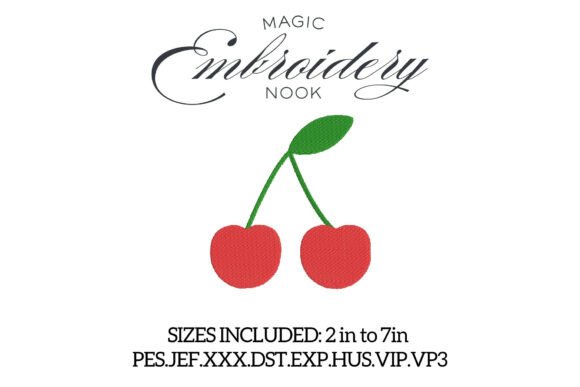
Upon loading the embroidery file into my software, the immediate impression is one of nostalgic brightness. The design features two connected red cherries, evoking a classic mid-century or farmhouse vibe that is currently trending in boutique maker spaces. For an Etsy seller or small shop product line, this retro aesthetic is a significant selling point. It does not feel overly complex or modern-minimalist; instead, it possesses a cheerful, decorative quality that appeals to customers seeking whimsical kitchenware and summer accessories.
The simplicity of the design is its greatest strength for batch production. Unlike intricate floral wreaths or dense scenic landscapes, this cute fruit machine embroidery file appears optimized for speed without sacrificing visual impact. The connected stems provide structural integrity to the design, reducing the risk of registration issues during high-speed stitching. For a craft fair product lineup, where margins depend on efficient run times and low thread consumption, this balance of bold color and economical stitching is exactly what I look for in design assets.
Best Performing Products for Summer Sales
Determining where to place the Red Cherry Embroidery Design is crucial for booth display strength. Based on the motif’s scale and retro character, certain items naturally outperform others.
- Tea Towel Embroidery: This is arguably the strongest application. Flour sack towels or waffle-weave fabrics provide a smooth texture that allows the red thread colors to pop against white or cream backgrounds. The retro nature of the cherries aligns perfectly with vintage-style kitchen linens, making them an easy impulse buy.
- Tote Bag Design: Canvas market bags are summer essentials. Placing this design centrally or as a repeating border element creates a cohesive handmade product. The bright red against natural canvas draws the eye from a distance, which is vital for attracting foot traffic at outdoor markets.
- Apron Embroidery: For baking enthusiasts and gardeners, a cherry-adorned apron signals seasonal fun. Because the design is described as simple, it works beautifully as a pocket accent or a centered chest placement without overwhelming the garment's utility.
- Embroidered Patch: Creating standalone patches allows for versatile inventory. Customers can purchase these to customize their own denim jackets or caps later. This extends the life of the design beyond pre-made goods.
While pillow covers and fabric pouches are viable options, I would prioritize the items listed above for initial testing. The visual weight of the cherries tends to get lost on larger home decor items unless scaled significantly, whereas they shine as focal points on functional accessories.
Production Practicality and Booth Display Strategy
From a production standpoint, the Red Cherry Embroidery Design facilitates efficient workflow. Simple shapes generally require fewer trims and color changes, allowing me to hoop multiple tea towels or tote bags and run them consecutively. This repeatability is essential when stocking a booth for a weekend event. Furthermore, the design photographs exceptionally well for online listings. High-contrast red on light backgrounds translates clearly in thumbnails, helping digital sellers maintain brand consistency across platforms.
For booth displays, this design serves as an excellent color anchor. In a sea of pastel summer florals, the saturated red of the cherries creates a visual break that resets the customer’s attention. I recommend grouping cherry-themed items together to create a curated "Summer Harvest" vignette. This merchandising technique increases perceived value and encourages multi-item purchases. Whether you are selling finished products or using printable mockups to gauge interest before stitching, the recognizable silhouette of the cherries communicates the theme instantly.
Critical Technical Considerations for Makers
Despite its apparent simplicity, professional results require careful attention to technical variables. As an experienced designer, I must highlight specific areas where this type of motif can fail if not managed correctly.
Fabric Texture and Stabilizer Choice
The description notes a "simple" stitch pattern, but users must verify the stitch density before committing to textured fabrics. On terry cloth or heavy linen, the cherries may sink into the pile. Always use an appropriate stabilizer; a cut-away backing is often safer than tear-away for maintaining the shape of the fruit over time. If stitching on dark fabric, ensure the design includes adequate underlay to prevent the fabric color from bleeding through the red satin stitches.
Sizing and Detail Clarity
While the design works as a large focal point, caution is needed when resizing down for small items like shirt cuffs or baby bibs. Connected stems and small leaf details can become indistinguishable blobs if reduced below a certain threshold. Always check the minimum recommended size in your embroidery file metadata. Tiny lettering or minute highlights within the cherries may need to be removed or simplified for smaller applications to maintain clarity.
Curved Surfaces and Hoop Size
If applying this to caps, remember that curved surfaces distort flat designs. The connected stems might appear warped if not digitized specifically for headwear. Test the design on a scrap cap first. Confirm your hoop size accommodates the full width of the connected cherries without requiring re-hooping, as alignment marks on simple designs can sometimes be tricky to match perfectly.
Designer Notes for Commercial Success
Before listing any item featuring the Red Cherry Embroidery Design for sale, adhere to this professional checklist to ensure quality and legal compliance:
- Verify Licensing: Never assume commercial rights. Check the specific license terms included with the digital embroidery file to confirm you are permitted to sell finished products. Some designers restrict mass production or require attribution.
- Test Stitch-Out: Do not rely solely on software simulation. Run a test on the exact fabric and stabilizer combination you intend to sell. Inspect stitch density and thread tension physically.
- Thread Contrast Check: View the test sample in natural daylight and indoor booth lighting. Red threads vary wildly between brands; ensure your chosen shade reads as "cherry red" rather than maroon or orange in both environments.
- Create Real Mockups: While digital mockups are useful, photographing a real sample builds trust. Show the texture of the stitches and the drape of the fabric to demonstrate handmade quality.
- Review Spacing: If creating a repeating pattern for a tote bag or border, measure the spacing physically. Software grids can be deceiving when transferred to stretchy or uneven fabrics.
The Red Cherry Embroidery Design holds immense promise for summer collections. Its retro charm, combined with practical production benefits, makes it a strong candidate for craft fair tables and Etsy shops alike. By respecting the technical requirements of machine embroidery and strategically placing the design on high-visibility products, creative entrepreneurs can turn this simple stitch pattern into a profitable seasonal bestseller. Always prioritize real-world testing over digital assumptions to ensure your handmade products meet the standards your customers expect.