Minimalist Snail Line Art: A Holiday Staple
As I curate my seasonal collection for the upcoming holiday rush, I am constantly searching for designs that bridge the gap between niche appeal and broad marketability. While traditional motifs like reindeer and snowflakes are staples, modern buyers are increasingly drawn to nature-inspired themes that feel cozy yet sophisticated. This is where the Minimalist Snail Line Art Embroidery design enters my production planning. As an experienced embroidery designer, I evaluate every machine embroidery design not just for its aesthetic charm, but for its technical performance and commercial viability during the high-pressure holiday season. This review breaks down why this specific digitization is earning a spot in my seasonal lineup and how fellow creators can leverage it for maximum impact.
First Impressions: Cozy Elegance Over Traditional Festivity
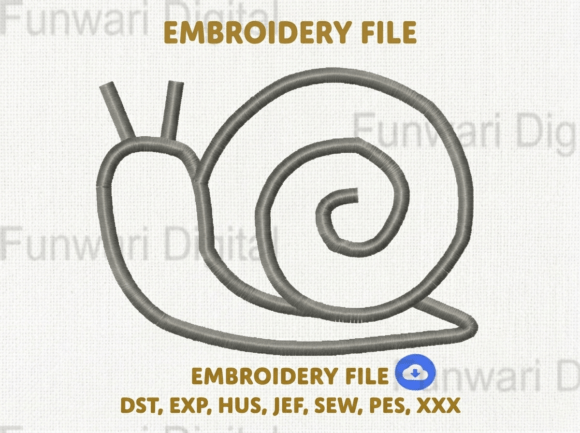
My initial assessment of the Minimalist Snail Line Art Embroidery focuses on emotional resonance. In the "Bugs" category, snails often risk looking juvenile or overly cartoonish. However, this design avoids that trap entirely. The line art style evokes a sense of slow living, mindfulness, and organic beauty—emotions that align perfectly with the current trend of "hygge" and intentional gifting. It does not scream "Christmas," which is actually its greatest strength. Instead, it whispers "winter comfort," making it versatile enough for Thanksgiving tablescapes, New Year’s resolutions regarding self-care, or general winter home decor.
The digitization description highlights smooth satellite stitches designed to minimize jump stitches. From a designer's perspective, this is critical. Jump stitches are the enemy of a clean, professional finish, especially on items intended as premium gifts. When I inspect the file, I am looking for a continuous flow that mimics hand-drawn artistry. This design delivers a flawless contour that feels elegant rather than industrial. For an Etsy seller or small shop owner, this visual refinement translates directly to perceived value. Customers are more likely to purchase a handmade gift that looks deliberate and high-end, even if the motif itself is simple.
Strategic Product Applications for the Holiday Season
When building a seasonal inventory, versatility reduces risk. I have identified several key applications where this embroidery file will perform exceptionally well in real-world selling situations:
- Sweatshirt Embroidery: Placed on the left chest or centered on the back, this minimalist line art appeals to the cottagecore demographic. It pairs beautifully with cream, sage green, or oatmeal-colored fleece, creating a personalized gift option for nature lovers who find traditional holiday wear too loud.
- Kitchen Towel Embroidery: Holiday hosting involves significant time in the kitchen. A set of towels featuring this snail design offers a subtle nod to the season without being dated. Because the design uses satin and running stitches effectively, it maintains softness and absorbency, unlike dense fill designs that make towels stiff.
- Tote Bag Design: Shoppers need reusable bags for holiday markets and grocery runs. This design stitches out quickly on canvas, allowing for higher profit margins. Its gender-neutral and age-agnostic appeal makes it a safe bet for craft fair displays.
- Pillow Cover Accents: For home decor collections, this snail serves as an excellent accent piece. It can be combined with botanical elements or text to create custom throw pillows that sell year-round but peak during the nesting season of late autumn.
- Embroidered Patch Production: Given the clean lines and minimized jumps, this design is ideal for creating iron-on patches. These can be sold as add-ons to existing orders or used to upcycle denim jackets and caps, expanding your product range without requiring new base inventory.
Technical Considerations and Fabric Limitations
While the Minimalist Snail Line Art Embroidery is robust, no design is universal. As you plan your seasonal embroidery projects, you must consider substrate limitations. Line art relies on precision; therefore, fabric texture plays a massive role in the final outcome.
I advise caution when using this design on thick terry cloth or high-pile towels without proper preparation. The fine lines can get lost in the nap, resulting in a messy appearance. Always use a water-soluble topping to keep the stitches visible and crisp. Similarly, while the design is optimized to reduce jumps, stretching garments like ribbed knits require careful hooping and adequate stabilizer. If the fabric distorts during stitching, the minimalist aesthetic will look warped rather than artistic.
Regarding color, test your thread colors rigorously. Line art has nowhere to hide. On dark fabrics, ensure your contrast is high enough to be legible in low-light holiday settings. Metallic threads can add festive sparkle, but they also increase friction and breakage risk. Since this design utilizes satellite stitches, verify that your machine handles metallics smoothly at the required speed before committing to a bulk run. Finally, always confirm your hoop size compatibility before purchasing. Nothing halts holiday production faster than realizing a design requires a larger hoop than you currently own.
Enhancing Buyer Emotion and Shop Value
In the competitive landscape of commercial embroidery, technical perfection is merely the baseline. Success comes from connecting with buyer emotion. During the holidays, shoppers are overwhelmed by noise and clutter. This snail design offers a visual pause. It signals thoughtfulness and calm, traits that justify a higher price point for a finished product.
For digital file buyers, offering a design that minimizes post-production trimming (thanks to fewer jump stitches) saves them time. Time is money during the peak season. By highlighting the efficiency of this digitization in your listing descriptions, you build trust with other makers who understand the pain points of mass production. Furthermore, because the design is not explicitly tied to a single religious or cultural holiday, it extends your selling window. You can list these items in October as "autumn vibes" and keep them active through January as "new year, slow living" products, maximizing your return on investment.
Designer Notes for Successful Seasonal Execution
To ensure your holiday embroidery venture succeeds with this design, adhere to these practical workflow steps:
- Validate Licensing: Before listing any physical item or reselling the digital embroidery file, review the specific license terms provided by the digitizer. Ensure you have the rights for commercial use on the specific products you intend to sell.
- Conduct Stitch-Out Tests: Never skip testing. Run the design on both light and dark scraps of your actual production fabric. Check for registration issues or puckering. Adjust tension or stabilizer weight as needed before touching your premium holiday blanks.
- Create Realistic Mockups: Use photos of actual stitched samples rather than generic digital renders whenever possible. Buyers want to see how the thread sheen interacts with the fabric texture. A printable mockup or lifestyle photo showing the sweatshirt or towel in a cozy setting significantly boosts conversion rates.
- Plan Color Palettes Early: Select thread colors that match current seasonal trends. Muted earth tones, dusty rose, and forest green are currently outperforming bright primaries in the minimalist niche. Document your color codes to ensure consistency across batches.
- Review Small Details: After stitching, examine the start and end points. Even with optimized digitization, manual trimming may be necessary for a retail-ready finish. Factor this labor time into your pricing model.
The Minimalist Snail Line Art Embroidery represents a smart addition to any seasonal catalog. It balances technical efficiency with the emotional warmth required for successful holiday sales. Whether you are creating kitchen towel embroidery for hostess gifts or designing apparel for a limited winter drop, this design offers the reliability and aesthetic flexibility that professional makers demand. By respecting the technical requirements and leveraging its unique mood, you can transform a simple bug motif into a best-selling seasonal staple.