Garment Monoline Font: Vintage Industrial Style
As an Etsy seller constantly scouting for fresh typography that stands out in a saturated market, I am always evaluating new digital assets through the lens of profitability and production efficiency. When I came across the Garment Monoline Embroidery Font - L on Creative Fabrica, it immediately caught my attention as a potential staple for my vintage-inspired product lines. This is not just another script font; it carries a specific aesthetic weight that speaks to current trends in retro workwear and mid-century modern design. For fellow embroidery business owners and creative entrepreneurs, finding a machine embroidery design that balances unique character with commercial versatility is the holy grail. Here is my practical evaluation of how this specific font can translate into sales for handmade products and custom apparel.
Evaluating the Vintage Industrial Aesthetic
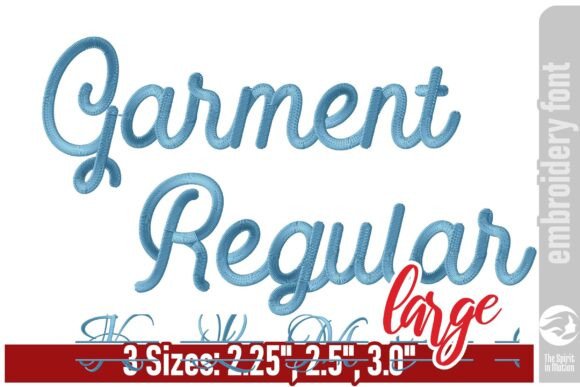
The primary selling point of the Garment Monoline Embroidery Font - L is its distinct visual personality. Based on the description of mid-century workwear and retro signage inspiration, this font fills a crucial niche between utilitarian ruggedness and nostalgic charm. In my experience, "monoline" fonts are exceptionally valuable because they mimic the look of single-needle stitching or typewriter text, which reads as authentic and handcrafted rather than mass-produced. This aesthetic is perfect for sellers focusing on rustic, classic, or heritage-style goods.
Unlike bubbly, cute scripts that dominate the baby embroidery market, or sleek modern sans-serifs used in corporate branding, this font feels grounded and timeless. It suggests durability and history. For an Etsy seller, this means the font naturally aligns with high-performing keywords like "vintage style," "retro gift," "industrial decor," and "heritage quality." When customers browse listings, they are often looking for a specific feeling, and this typography delivers a sense of established quality that elevates simple items into curated vintage pieces.
Best Product Applications for Small Shops
When planning my next collection, I categorize fonts by their best-use applications. The Garment Monoline Embroidery Font - L appears ideally suited for several high-margin categories in my shop. Because of its industrial roots, it is a natural fit for canvas tote bag designs and heavy-duty aprons. These items benefit from typography that looks like it belongs on a factory floor or in a vintage workshop. Stitching this font onto unbleached canvas or denim creates a cohesive, professional look that justifies a higher price point than generic personalization.
Sweatshirt embroidery is another massive opportunity here. The current trend favors minimalist, retro text over large, complex graphics. This monoline script would look exceptional arched across the chest of a cream or grey sweatshirt, perhaps paired with a small line-art graphic. It offers a gender-neutral appeal that broadens your target audience. Additionally, kitchen towel embroidery and linen napkins are excellent vehicles for this style. The clean lines of a monoline font ensure readability on textured fabrics where thicker satin stitches might get lost or look too formal.
I also see strong potential for embroidered patches. The uniform stitch width typical of monoline digitizing makes for crisp edges on twill backing, essential for creating professional-looking merchandise for bands, breweries, or local businesses seeking a retro vibe. For those offering personalized gifts, this font adds a layer of sophistication to groomsmen gear, anniversary presents for couples who love antiques, or housewarming items for historic homes.
Enhancing Buyer Perception and Listing Quality
Beyond the physical stitch-out, we must consider how a digital embroidery file impacts our online presence. Shoppers on Etsy and at craft fairs make split-second decisions based on photography. The Garment Monoline Embroidery Font - L has a significant advantage here: legibility at thumbnail size. Complex, ornate scripts often turn into muddy blobs when viewed on a mobile screen. A well-digitized monoline maintains its shape and clarity even when scaled down, ensuring your listing photos communicate the design instantly.
Furthermore, this style supports the creation of attractive printable mockups. If you sell digital files or want to test market demand before stitching samples, the clean geometry of this font renders beautifully in digital previews. It allows for easy color swapping in editing software, enabling you to showcase multiple thread colors against various fabric backgrounds without needing to re-hoop and restitch every variation. This efficiency is vital for maintaining a robust catalog in a craft business.
From a buyer psychology perspective, this font signals "thoughtful curation." Customers purchasing custom apparel or home decor want to feel they are buying something special, not generic. The vintage industrial charm implies that the seller has a distinct taste and understands design history. This perceived value helps differentiate your finished product from competitors using standard built-in machine fonts.
Critical Production Notes for Sellers
While the aesthetic potential is high, practical execution determines profit margins. Before adding any new embroidery file to my commercial lineup, I follow a strict testing protocol. Although the Garment Monoline Embroidery Font - L is described as expertly digitized, every machine and fabric combination behaves differently. You must verify the stitch density and pull compensation on your specific setup. Monoline fonts can sometimes cause puckering on lightweight fabrics if the tension isn't balanced correctly with the right stabilizer.
I strongly recommend stitching a sample on the exact material you intend to sell. Test it on canvas for tote bags, fleece for sweatshirts, and linen for towels. Check the registration; do the letters connect smoothly, or are there excessive jump stitches that will require manual trimming? Time spent trimming eats into profits. Also, confirm the hoop size requirements listed on the Creative Fabrica product page. Ensure the largest characters fit comfortably within your hoop with adequate margin for stabilization.
Thread color selection is equally important for this style. While black and navy are safe bets for industrial looks, consider testing muted earth tones, rust, olive green, or slate blue to enhance the vintage feel. Avoid high-sheen rayon threads if possible; matte cotton or polyester threads often complement the workwear aesthetic better. Document your successful thread and stabilizer combinations so you can replicate results consistently for future orders.
Licensing and Commercial Viability
Finally, no evaluation is complete without reviewing the legal framework. As a commercial embroidery user, you must check the specific license terms for the Garment Monoline Embroidery Font - L directly on the Creative Fabrica listing. Licenses vary significantly; some allow unlimited sales of finished products, while others cap the number of units or prohibit the resale of the digital file itself. Never assume a license covers your intended use case.
If you plan to use this font for client work or boutique merchandise, ensure your license tier supports commercial embroidery at your volume. Keeping accurate records of your licensing protects your business and respects the digitizer's intellectual property. When used correctly and legally, this font represents a strategic asset for sellers looking to capture the enduring appeal of vintage industrial design. By combining this distinctive typography with quality materials and professional finishing, you can create a product line that resonates deeply with buyers seeking authenticity in a digital world.