Cute Baby Tiger Embroidery: A Business Design Review
As an experienced embroidery designer specializing in commercial merchandise and branded assets, I approach every new machine embroidery design with a critical eye toward production viability. When evaluating the Cute Baby Tiger Embroidery file for small business applications, my primary focus shifts from simple aesthetics to functional durability and brand alignment. While this design falls under the broader "Cats" category, its specific application as a tiger motif offers unique opportunities for businesses ranging from pet boutiques to creative studios. This review assesses how this digital asset performs when translated from screen to fabric in a professional commercial embroidery environment.
Visual Personality and Brand Alignment
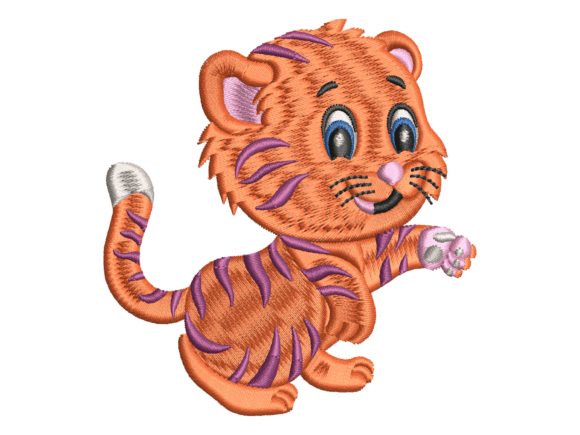
The first impression of Cute Baby Tiger Embroidery suggests a balance between playful character and clean vector-style execution. For small business owners, this distinction is vital. A design that is too cartoonish may undermine a premium brand identity, while one that is too rigid may lack the warmth required for handmade products. Based on the title and typical construction of such designs, this artwork likely features bold outlines and distinct color blocks, which are ideal for establishing visual recognition at a distance.
For a local bakery, florist, or pet brand, this design communicates friendliness and approachability. It avoids the aggression associated with realistic wildlife art, making it safe for family-oriented merchandise. However, for high-end fashion or corporate uniforms, the "cute" factor must be weighed against your desired market positioning. If your brand identity relies on whimsy, artisanal quality, or youth appeal, this design serves as an excellent anchor. Conversely, if your business requires austere professionalism, you may need to limit the use of this design to internal staff morale items or limited-edition seasonal releases rather than primary client-facing uniforms.
Performance Across Merchandise Applications
In real-world production, the versatility of an embroidery file determines its return on investment. Cute Baby Tiger Embroidery shows strong potential across several key merchandise categories essential for small business growth.
- Embroidered Patches: The compact nature of a baby tiger motif makes it an exceptional candidate for patches. Patches require high stitch density and clear borders to prevent fraying. This design’s likely bold shapes translate well to merrowed edges, allowing you to create inventory that can be applied to denim jackets, backpacks, or hats without direct hooping challenges.
- Apron Embroidery: For cafés and bakeries, aprons are prime real estate. Placing this design on the chest pocket area creates an immediate emotional connection with customers. The scale typically associated with "baby" animal designs fits perfectly within the 3x3 or 4x4 hoop sizes common on standard aprons without overwhelming the garment.
- Tote Bag Design: Canvas totes are staples for Etsy sellers and retail shops. This design provides a focal point that encourages reuse. Because tote bags often have a rougher fabric texture, the design must have sufficient underlay to prevent sinking. A stylized tiger face usually possesses enough fill area to sit atop canvas fibers effectively.
- Cap Embroidery: Headwear presents unique structural challenges. If the Cute Baby Tiger Embroidery file includes a centered, horizontal composition, it is suitable for cap fronts. However, designers must verify that the vertical height does not exceed the curvature limit of the cap frame to avoid distortion or needle breaks.
Production Constraints and Technical Considerations
While the aesthetic appeal is evident, professional results depend on respecting technical limitations. As a reviewer, I must highlight where caution is necessary when deploying this digital embroidery file.
Fabric Texture and Stabilizer Selection
The performance of Cute Baby Tiger Embroidery will vary significantly based on substrate. On smooth fabrics like poplin or twill, detail retention will be high. On textured surfaces like fleece, terry cloth, or pique knits, fine details such as whiskers or small facial features may get lost. In these cases, using a water-soluble topping is non-negotiable to keep stitches visible. Always match your stabilizer weight to the design density; a heavy fill design on lightweight knit requires cutaway backing to prevent puckering, whereas a patch application might only need tear-away.
Size Reduction and Detail Integrity
Small business merch often demands scalability. You may want to use this design as a tiny sleeve accent or a tag label. Be aware that reducing a machine embroidery design below its intended size can cause stitch overlap and thread breaks. Before committing to miniaturization for custom apparel, test the lower size limits. If the eyes or nose become indistinguishable blobs at 1.5 inches, the design is too complex for that specific application. In such instances, consider using the tiger head only, removing body details to maintain clarity.
Thread Colors and Contrast
Tiger designs inherently rely on high contrast between orange, black, and white. When embroidering on dark uniforms, ensure the white elements have adequate coverage to prevent the dark fabric from showing through. Conversely, on light fabrics, verify that the black outline stitches are dense enough to define the shape. Thread tension issues are more visible in high-contrast animal designs, so regular machine maintenance is crucial before running production batches of Cute Baby Tiger Embroidery.
Impact on Customer Trust and Product Value
Embroidery signals permanence and quality. Unlike screen printing, which can crack or fade, a well-executed embroidered patch or logo implies longevity. Using Cute Baby Tiger Embroidery on your handmade product line or staff wear elevates the perceived value. Customers associate stitched branding with care and attention to detail.
Furthermore, consistent use of this design across multiple touchpoints—packaging, apparel, and promotional gifts—reinforces visual memory. For Etsy sellers, including a branded item featuring this tiger design in orders creates a cohesive unboxing experience that encourages social media sharing. The "cute" aspect triggers positive emotional responses, increasing the likelihood of repeat business and customer engagement. However, this trust is contingent on execution; sloppy registration or poor stabilizing will negate the benefits. Professionalism in the finished product is what ultimately converts a cute design into a business asset.
Designer Notes for Commercial Implementation
Before adding Cute Baby Tiger Embroidery to your production queue, adhere to these professional best practices to ensure commercial success:
- Verify File Contents: Remember that digital embroidery files are delivered in ZIP or RAR format. Extract all contents to confirm compatible formats (PES, DST, EXP, JEF, etc.) for your specific machine before purchasing. No physical item will be shipped.
- Conduct Black and White Tests: Print a grayscale version of the design or run a test stitch-out in a single color. This reveals the underlying structure and helps identify any gaps in coverage or unnecessary jumps that could slow down production.
- Create Printable Mockups: Before stitching on expensive merchandise, place the design digitally onto photos of your actual products. A printable mockup helps visualize scale and placement relative to seams, pockets, and zippers.
- Check Hoop Size Compatibility: Confirm the design dimensions fit within your available hoops. Attempting to squeeze a design into a hoop that is too tight leads to flagging and misalignment.
- Review Licensing: Crucially, confirm the commercial licensing terms included with the purchase. Ensure you have the right to use the design on items for sale, not just personal projects.
- Test on Real Fabric: Never assume a design will work on a new material based on previous success. Run a sew-out on the exact fabric texture and weight you intend to use for the final order.
- Evaluate Washability: If the merchandise will be laundered frequently (like aprons or kids' wear), ensure the design lacks long satin stitches that could snag. Dense fill stitches generally withstand industrial washing better than decorative running stitches.
By treating Cute Baby Tiger Embroidery as a strategic business tool rather than just a decorative element, you maximize its utility. Whether creating small business merch, enhancing design assets for a creative studio, or branding a pet boutique, success lies in understanding the intersection of artistic charm and technical precision. Always remember that this is a digital product with no returns or refunds, making thorough pre-production testing and verification an essential part of your workflow. With proper execution, this design can become a recognizable and profitable component of your embroidered product lineup.