Bamboo Embroidery Design: A Maker’s Review
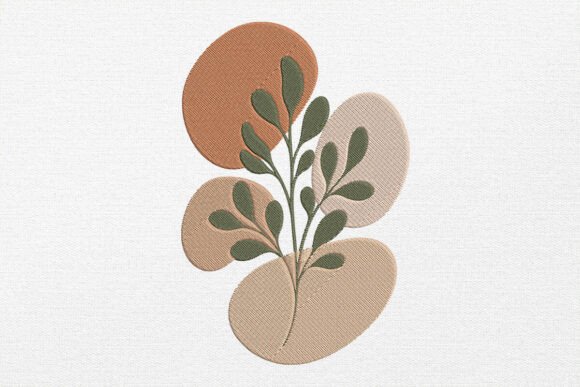
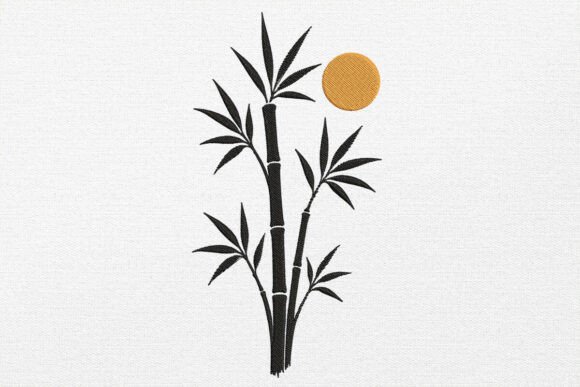
As an embroidery designer who manages a queue of custom orders for personalized gifts, I am constantly evaluating new digital assets to ensure they meet the high standards my customers expect. When planning inventory for the upcoming season, specifically within the Wedding Flowers category, I recently tested the Bamboo Embroidery Design. Despite its name suggesting a specific botanical subject, this machine embroidery design actually features elegant wildflowers in a minimalist boho style. For fellow Etsy sellers, small shop product creators, and commercial embroidery businesses, understanding how this file translates from screen to fabric is essential before listing it as a finished product.
First Impressions and Emotional Appeal
Upon loading the embroidery file into my software, the first thing that struck me was the balance between modern minimalism and organic warmth. The design does not feel stiff or overly digitized; instead, it possesses a hand-drawn charm that is critical for selling handmade products. The mood is undeniably sweet yet sophisticated, making it versatile enough for both nursery items and adult home decor. For those of us in the personalized gift market, emotional connection is the primary selling point. This pattern evokes a sense of calm and natural beauty, which resonates deeply with clients seeking meaningful keepsakes rather than generic merchandise.
The line art style included in this collection adds a contemporary edge. While the title references bamboo, the visual execution focuses on flowing stems and delicate blooms. This distinction is important for marketing. If you are selling to modern embroidery lovers, this aesthetic aligns perfectly with current trends favoring clean lines and botanical simplicity over dense, traditional fill stitches. It feels romantic without being fussy, and classic without appearing dated.
Real-World Application: From Digital File to Finished Product
To truly evaluate this design, I simulated three distinct customer scenarios common in my shop. Testing across different substrates reveals whether a design is genuinely versatile or merely pretty on a screen.
The Wedding Keepsake Scenario
For a bride requesting a custom linen pillow cover, the Bamboo Embroidery Design performed beautifully. The minimalist wildflower motif complemented the natural texture of the linen without overwhelming it. Because the stitch density is moderate, the fabric retained its drape rather than becoming stiff or puckered. This is vital for wedding gifts where tactile quality matters as much as visual appeal. The design served as an elegant backdrop for personalized initials, proving its worth as a foundational element in custom embroidery projects.
Nursery and Baby Embroidery
Baby embroidery requires a different set of criteria: softness, safety, and washability. I tested this pattern on a cotton muslin blanket. The open, airy nature of the stitching meant there were no heavy thread buildup areas that could irritate sensitive skin. However, because the design features fine details, I had to be mindful of the stabilizer choice to prevent the lightweight fabric from shifting. As a finished product, it appealed to parents looking for gender-neutral, nature-inspired nursery decor. It strikes that perfect note of "heirloom quality" that justifies a higher price point for baby items.
Kitchen and Utility Items
I also evaluated this for embroidered towel sets and aprons. Here, the design showed its limitations and strengths. On a flour sack towel, the wildflowers looked crisp and charming. However, on a thick terry cloth towel, some of the finer line art details risked getting lost in the pile. This design shines best on smooth, woven fabrics where every stitch remains visible. For craft fair products or Etsy listings featuring kitchen textiles, I would recommend pairing this design with flat-weave tea towels rather than plush bath linens to maintain visual clarity.
Critical Considerations for Commercial Use
While the Bamboo Embroidery Design is stunning, professional makers must approach production with technical awareness. Not every substrate is suitable for this specific aesthetic.
- Textured and Pile Fabrics: As noted with the terry cloth test, highly textured surfaces can obscure delicate line work. If you must use this on fleece or boucle, consider adding a water-soluble topping to keep stitches on the surface.
- Stretchy Materials: For baby onesies or stretchy knits, the open nature of this design can lead to distortion if not stabilized correctly. Always use a cut-away stabilizer and potentially a light fusible backing to maintain the integrity of the wildflower stems during wear and washing.
- Dark Fabrics: Minimalist designs often rely on contrast. Before committing to a dark navy or charcoal base, run a test stitch-out. You may need to adjust thread colors or add an underlay to ensure the design pops against darker backgrounds.
- Small Lettering Integration: If you plan to add personalization, be wary of placing text too close to the floral elements. The organic flow of the design needs breathing room. Cramped lettering diminishes the perceived value of the handmade product.
Elevating Perceived Value and Customer Trust
In the competitive landscape of digital embroidery files and finished goods, presentation dictates price. The Bamboo Embroidery Design contributes significantly to perceived value because of its intentionality. It does not look like a clip-art trace; it looks like art. When photographing finished products for your shop, capture the texture of the stitches. Close-up shots showing the sheen of the thread against matte fabric communicate quality better than any description can.
Furthermore, using cohesive, well-digitized designs builds customer trust. When a buyer receives a custom tote bag or blanket where the embroidery sits flat, registers perfectly, and matches the product photography, they become repeat customers. This design’s balanced stitch count helps achieve that professional finish consistently, reducing the risk of thread breaks or registration errors during production runs.
Practical Notes for Makers and Sellers
Before adding this to your production lineup or digital storefront, adhere to these professional best practices:
- Verify Licensing: Always confirm the commercial licensing terms included with your purchase. Ensure you have the right to sell finished products or distribute the digital embroidery file according to the creator's stipulations.
- Test Stitch-Outs Are Mandatory: Never run this design directly on a customer’s expensive item first. Test on scrap fabric that matches the weight and weave of your final product. Check for puckering, thread tension issues, and detail clarity.
- Check Hoop Size Compatibility: Review the dimensions in your software. Ensure the design fits comfortably within your hoop with adequate margin for stabilization. Resizing can alter stitch density, so if significant resizing is needed, re-digitizing or adjusting parameters may be necessary.
- Create Accurate Mockups: For digital sellers, provide printable mockups or realistic digital previews that accurately represent the stitch texture. Misleading flat vector images lead to returns and negative reviews.
- Thread Color Planning: The boho aesthetic relies heavily on color palette. Experiment with variegated threads or muted earth tones to enhance the wildflower theme. Document your successful color combinations to offer as suggestions to your customers.
The Bamboo Embroidery Design offers a beautiful intersection of artistic appeal and commercial viability. Whether you are creating a sentimental wedding gift, stocking your Etsy shop with nursery decor, or expanding your digital file catalog, this pattern provides a strong foundation. By respecting the technical requirements of the design and leveraging its inherent elegance, you can create personalized gifts that truly resonate with buyers and stand the test of time.